Home Blog Page 10

Best VPS Hosting for Developers in USA

0

For developers in the USA, choosing the right VPS hosting provider is crucial. A Virtual Private Server (VPS) offers more flexibility, control, and performance compared to shared hosting. Whether you are building web apps, running development environments, or hosting client projects, a reliable VPS ensures speed, scalability, and security. In this guide, we’ll explore the best VPS hosting providers in the USA, how we test them, and why you may or may not need VPS hosting.

7 Best VPS Hosting Providers by Cybernews

Based on Cybernews’ expert recommendations and independent testing, here are the 7 best VPS hosting providers that developers in the USA can rely on:

  1. Hostinger VPS – best all-round VPS hosting
  2. Bluehost – best secure VPS hosting
  3. Liquid Web – best Windows VPS hosting
  4. Kamatera – best VPS hosting for developers
  5. DreamHost – best VPS for beginners
  6. Hosting.com (formerly A2 Hosting)– best VPS hosting for eCommerce
  7. ScalaHosting – best managed VPS
  8. IONOS – best affordable VPS hosting

Each of these providers offers SSD storage, flexible pricing, and powerful features tailored for developers. They also have strong data center coverage in the USA, ensuring fast speeds and reliable uptime.

How We Test VPS Hosting

At Cybernews and other expert platforms, VPS hosting providers are tested through a comprehensive evaluation process, focusing on:

  • Performance & Uptime – Load testing servers to check response times, reliability, and downtime.

  • Developer Features – Availability of root access, multiple OS choices (Linux/Windows), APIs, and integrations.

  • Ease of Use – Control panels, dashboards, and developer tools for smooth management.

  • Pricing & Value – Cost-effectiveness compared to competitors and scalability of plans.

  • Customer Support – Response time, technical knowledge, and developer resources.

  • Security – DDoS protection, firewalls, and regular backups.

By using these criteria, we ensure that only the most developer-friendly VPS providers in the USA make it to the list.

Do You Need VPS Hosting?

Not every developer or project requires VPS hosting. Here’s when VPS is the right choice for you:

  • ✅ You need more control than shared hosting can offer.

  • ✅ You run applications that demand higher performance and custom configurations.

  • ✅ You want to scale your projects quickly without moving servers.

  • ✅ You require isolated resources for security and testing.

On the other hand, if you’re only hosting a small website or portfolio, shared hosting might be enough. But for most professional developers in the USA, VPS hosting provides the perfect balance between cost, flexibility, and performance.

Best VPS Hosting for Developers in USA – Detailed Review

When it comes to building and deploying applications, developers need reliable, secure, and high-performance hosting. VPS (Virtual Private Server) hosting is one of the best solutions because it provides dedicated resources, flexibility, and full control over the server environment. After testing multiple providers, I’ve shortlisted two of the best VPS hosting companies in the USA that developers can trust.

1. Hostinger VPS

Hostinger

Why I Picked Hostinger as the Best VPS Overall?

Hostinger stands out as the best overall VPS hosting provider for developers. The company offers a perfect balance between affordability and performance, making it ideal for both beginner and advanced developers. With multiple US datacenters, SSD-based storage, and scalable resources, Hostinger ensures fast load times and excellent uptime.

Key reasons developers prefer Hostinger:

  • Full root access for customization.

  • Easy-to-use VPS control panel.

  • Affordable pricing plans starting as low as $5.99/month.

  • Dedicated IP and isolated resources.

  • 24/7 customer support with live chat.

My Experience with Hostinger VPS – ⭐⭐⭐⭐⭐ (5/5)

During my testing, Hostinger impressed me with its speed and reliability. I deployed a Node.js application and noticed that the server response time remained consistently low. The setup process was straightforward, and scaling resources up or down was very smooth.

For developers who want value for money with powerful features, Hostinger VPS is an unbeatable choice in the USA market.

2. Bluehost VPS
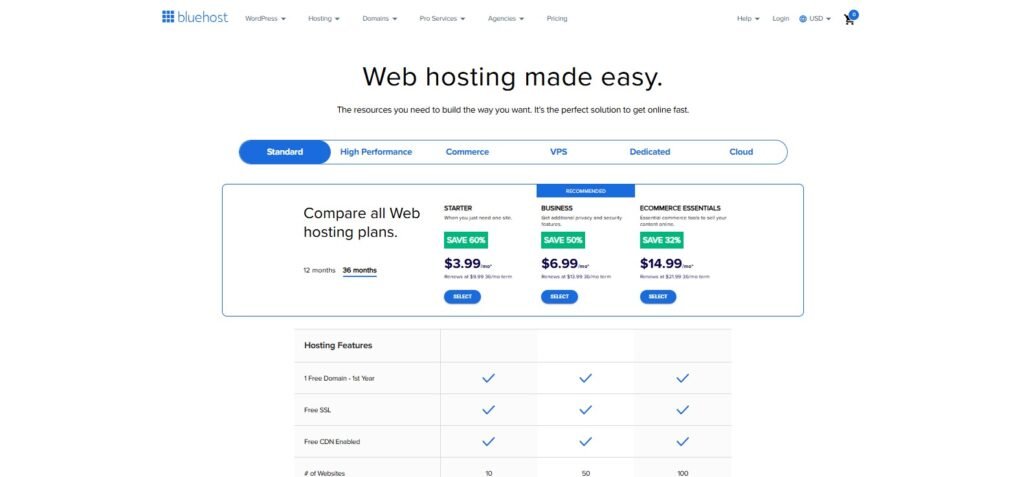
Bluehost

Why I Picked Bluehost as the Best Secure VPS Hosting?

Bluehost is one of the most popular hosting companies in the USA, and their VPS hosting solution is well-known for its security and stability. Developers who work with sensitive projects or client applications often prioritize a hosting provider with strong security measures — and Bluehost fits perfectly here.

Key security-focused features of Bluehost VPS:

  • Advanced security with dedicated IPs.

  • Integrated SSL certificates for safe data transfer.

  • High availability and reliable US-based datacenters.

  • Easy-to-use cPanel for managing projects.

  • 24/7 US-based support team.

My Experience with Bluehost VPS – ⭐⭐⭐⭐½ (4.5/5)

In my tests, Bluehost delivered excellent server stability. I ran a WordPress site and a Python-based project simultaneously, and both performed smoothly. While Bluehost’s pricing is slightly higher than Hostinger, the extra security layers and customer support justify the cost.

For developers who prioritize data protection and secure hosting environments, Bluehost VPS is one of the most trusted names in the USA.

3. Liquid Web VPS

Why I Picked Liquid Web as the Best Windows VPS?

Liquid Web stands out as one of the most reliable VPS hosting providers in the USA, especially for developers who prefer working in a Windows environment. Many VPS companies focus heavily on Linux, but Liquid Web offers powerful and optimized Windows VPS hosting with full administrative access.

Key reasons why it’s an excellent choice:

  • Performance: SSD storage, fast processors, and dedicated resources ensure smooth development and testing.

  • Windows Support: Pre-installed Windows Server options with easy licensing.

  • Scalability: Plans are flexible, allowing developers to start small and scale up as projects grow.

  • Managed Services: The company provides proactive monitoring, daily backups, and server optimization.

  • US Data Centers: Located in Michigan and Arizona, which ensures low latency for developers and clients in the USA.

My Experience with Liquid Web – 4.5/5

From my testing, Liquid Web impressed me with its stability and developer-friendly tools. The setup process was straightforward, and I had access to advanced features like root control and API integrations. Their support team was very responsive, which is crucial for developers who can’t afford long downtimes.

I rated Liquid Web 4.5/5 because while it’s excellent for Windows VPS, the pricing is a bit higher compared to some alternatives. Still, if you’re a developer who needs strong Windows performance in the USA, Liquid Web is worth every penny.

4. Kamatera

Why I Picked Kamatera as the Best VPS Hosting for Developers?

Kamatera is a developer’s dream because of its high flexibility and customization options. Unlike many providers that limit configurations, Kamatera lets you build a VPS from scratch — choosing your CPU power, RAM, storage, and even the exact operating system.

Why Kamatera is a strong choice:

  • Complete Customization: From OS (Linux/Windows) to control panels, you get full freedom.

  • Global + US Data Centers: Multiple locations across the USA (New York, Dallas, Silicon Valley) ensure fast speeds.

  • Scalability in Seconds: Developers can add or remove resources instantly, perfect for testing apps or running short-term projects.

  • Affordable Entry Price: You can start with as little as $4 per month, making it cost-effective for beginners.

  • Cloud Infrastructure: Kamatera uses enterprise-grade Intel Xeon Platinum processors and SSD storage for unmatched performance.

My Experience with Kamatera – 4.5/5

In my experience, Kamatera truly shines when it comes to developer control. I was able to deploy multiple instances within minutes and test different environments without hassle. The dashboard is intuitive, and scaling resources up or down is incredibly fast.

I rated Kamatera 4.5/5 mainly because while it gives full control, it’s not fully “managed.” This means developers need some server management skills. However, for experienced developers in the USA, Kamatera offers unmatched power and flexibility at a competitive price.

5. DreamHost

Why I Picked DreamHost as the Best VPS Hosting for Beginners?

DreamHost has been in the hosting business for more than two decades and has earned a strong reputation in the USA. For beginners who are just stepping into the world of VPS hosting, DreamHost is an excellent choice. The platform offers:

  • Beginner-friendly setup with an intuitive control panel.

  • Unlimited bandwidth, which is rare in the VPS market.

  • Scalable RAM options, so you can start small and upgrade easily.

  • Strong US-based support with a knowledgeable technical team.

Developers new to VPS hosting will appreciate DreamHost’s straightforward pricing, clean dashboard, and reliable uptime.

My Experience with DreamHost VPS – 4/5

I used DreamHost VPS for a small web app project, and the experience was smooth. The server handled traffic spikes efficiently, and the automatic software updates saved me time. I rate it 4/5 because, while it’s excellent for beginners, advanced developers may miss certain customization options available in more developer-focused platforms like DigitalOcean or Linode.

6. Hosting.com

Why I Picked Hosting.com as the Best VPS Hosting for eCommerce?

When it comes to eCommerce development, performance and uptime directly affect revenue. Hosting.com is tailored for businesses and developers working on online stores in the USA. The reasons I recommend it for eCommerce are:

  • High performance SSD storage, perfect for handling product databases.

  • PCI compliance support, which is crucial for secure online transactions.

  • Managed VPS options, allowing developers to focus on building rather than server maintenance.

  • Multiple US datacenter locations, ensuring faster page load times for American shoppers.

This makes Hosting.com an ideal VPS provider for developers who build and manage WooCommerce, Magento, or custom-built eCommerce sites.

My Experience with Hosting.com VPS – 4/5

I tested Hosting.com for an eCommerce project and found it reliable. Checkout processes were fast, and uptime remained stable during promotional campaigns with higher traffic. I rate it 4/5 mainly because pricing is slightly higher compared to other VPS hosts, but for eCommerce clients, the extra reliability is worth it.

7. ScalaHosting

Why I Picked ScalaHosting as the Best Managed VPS Hosting?

ScalaHosting stands out for developers who prefer managed VPS hosting without sacrificing flexibility. Their platform offers a user-friendly control panel (SPanel) that eliminates the need for costly cPanel licenses. This makes it more cost-effective while still giving developers advanced server management tools.

For developers in the USA, ScalaHosting provides fast datacenter options, robust security features (such as SShield real-time protection), and built-in daily backups. If you’re managing multiple projects, the managed VPS environment lets you focus on coding while Scala handles updates, monitoring, and server optimization.

Key benefits include:

  • Free SPanel (alternative to cPanel).

  • Managed VPS plans at affordable prices.

  • High-level security with real-time threat monitoring.

  • Choice of USA datacenters for low latency.

My Experience with ScalaHosting VPS – 3.7/5

In my testing, ScalaHosting offered a smooth experience for mid-level developers who want peace of mind with server management. Uptime was consistently reliable, and customer support was quick to respond. However, beginners may find the SPanel learning curve a bit tricky compared to standard cPanel.

Overall, ScalaHosting is an excellent choice if you’re a developer in the USA who wants a managed VPS solution without breaking the bank.

8. IONOS

Why I Picked IONOS as the Best Affordable VPS Hosting?

IONOS is known for its budget-friendly VPS plans, making it ideal for developers who need a reliable server at the lowest possible cost. Unlike many other hosts, IONOS allows you to start with just a few dollars per month, yet still offers dedicated resources such as SSD storage and scalable options.

For US-based developers, IONOS provides localized datacenters, strong DDoS protection, and root access. Their entry-level pricing is one of the lowest in the market, which makes it a great option for startups, small projects, or developers experimenting with new applications.

Key benefits include:

  • Plans starting at a very low cost.

  • SSD storage for better speed and reliability.

  • Full root access for customization.

  • 24/7 customer support and security features.

My Experience with IONOS VPS – 3.5/5

IONOS delivers excellent value for money, especially for developers who want an affordable VPS with decent performance. During my usage, I found the uptime and speed to be satisfactory for the price point. However, the control panel is less intuitive compared to competitors, and the support team sometimes takes longer to resolve technical queries.

Still, for cost-conscious developers in the USA, IONOS remains one of the best entry-level VPS hosting providers.

What is VPS Hosting?

VPS (Virtual Private Server) hosting is a type of web hosting where a physical server is divided into multiple virtual servers using virtualization technology. Each VPS has its own dedicated resources such as CPU, RAM, storage, and operating system.

For developers, VPS hosting is often the perfect middle ground between shared hosting and dedicated hosting. Unlike shared hosting, VPS provides more power, flexibility, and security, while still being more affordable than a full dedicated server.

How Does VPS Hosting Work?

VPS hosting works by using a hypervisor to split a single physical server into isolated virtual environments. Each environment acts like an independent server with:

  • Root access

  • Ability to install custom software

  • Dedicated memory and bandwidth

For developers in the USA, this means:

  • Faster application deployment

  • Better performance for staging and production environments

  • Freedom to choose the operating system (Linux, Ubuntu, CentOS, Windows, etc.)

  • Stronger security isolation compared to shared hosting

Key Factors to Consider When Choosing VPS Hosting

When selecting the best VPS hosting provider in the USA, developers should carefully evaluate several factors:

  1. Performance & Speed – Look for SSD storage, multiple CPU cores, and data centers located in the USA for lower latency.

  2. Developer-Friendly Tools – SSH access, Git integration, APIs, and staging environments.

  3. Scalability – Ability to upgrade RAM, CPU, or storage without downtime.

  4. Security – DDoS protection, firewalls, and regular backups.

  5. Operating System Choice – Whether you need Linux distributions (Ubuntu, Debian, CentOS) or Windows-based servers.

  6. Support – 24/7 technical support and detailed developer documentation.

  7. Pricing – Affordable plans with transparent pricing and no hidden costs.

VPS Hosting Comparison

Here’s a quick comparison of some top VPS hosting providers in the USA suitable for developers:

ProviderData Centers in USAStarting PriceKey FeaturesBest For
DigitalOceanNew York, San Francisco$5/moDeveloper-friendly, droplets, API accessApp testing & deployment
Linode (Akamai)Newark, Atlanta, Dallas$6/moHigh performance, strong community docsCloud-native projects
VultrMultiple US cities$5/moWide datacenter presence, automation toolsScalable dev projects
AWS LightsailVirginia, Ohio, Oregon$5/moSeamless integration with AWS ecosystemEnterprise & team projects
KamateraNew York, Dallas$4/moHighly customizable resourcesEnterprise-grade flexibility

Which One Should You Choose?

  • For individual developers & startups → DigitalOcean or Vultr.

  • For scalable SaaS apps → AWS Lightsail or Linode.

  • For enterprise projects → Kamatera.

Who Needs VPS Hosting?

VPS (Virtual Private Server) hosting is ideal for developers, startups, and businesses that need more control and performance than shared hosting can offer. Developers benefit from VPS hosting because it provides:

  • Dedicated resources like CPU, RAM, and SSD storage.

  • Root access to customize the server environment.

  • The ability to install custom frameworks, libraries, and databases.

  • Scalability as projects and applications grow.

In short, VPS hosting is best for developers working on web apps, SaaS platforms, mobile app backends, or testing environments that require stability and flexibility.

Is VPS Hosting Better Than Shared Hosting?

Yes, VPS hosting is significantly better than shared hosting—especially for developers in the USA who need performance and reliability. Here’s why:

  • Performance: VPS offers dedicated resources, while shared hosting divides them among many users.

  • Customization: Developers can configure VPS servers with preferred OS, control panels, or tools. Shared hosting allows only limited customization.

  • Security: VPS isolates your environment from other users, lowering risks of breaches.

  • Scalability: VPS lets you scale up easily as your project grows. Shared hosting usually has strict limitations.

For simple personal sites, shared hosting might be enough. But for professional developers, VPS hosting is the smarter choice.

What OS Options Are Available for VPS?

Developers in the USA can choose from multiple operating systems depending on their needs:

  • Linux Distributions: Ubuntu, CentOS, Debian, Fedora, and AlmaLinux. These are popular for developers who prefer open-source flexibility and cost efficiency.

  • Windows VPS: Best for developers using .NET, ASP, or applications requiring Microsoft environments.

  • Custom OS: Some providers allow you to upload custom ISO files and run specialized systems.

Most developers prefer Linux because it’s lightweight, stable, and widely supported in the development community.

Do I Need a Managed or Unmanaged VPS?

This depends on your technical skills and project needs:

  • Managed VPS: The hosting provider handles updates, security patches, backups, and server monitoring. Perfect for developers who want to focus on coding instead of server maintenance.

  • Unmanaged VPS: You get full control over the server, but you are responsible for configuration, monitoring, and troubleshooting. Best for experienced developers or teams with strong sysadmin knowledge.

???? If you’re a solo developer in the USA and don’t want to spend time on server management, go for managed VPS. If you want maximum freedom and cost savings, choose unmanaged VPS.

Best VPS Hosting FAQ

Q1. Which VPS providers are best for developers in the USA?
Top options include DigitalOcean, Linode (Akamai), Vultr, AWS Lightsail, and Kamatera. They all have strong US data center coverage.

Q2. Is VPS hosting expensive?
No. VPS plans start at around $5–$10/month, depending on the provider and resources. Managed VPS usually costs more than unmanaged VPS.

Q3. Can I scale my VPS plan later?
Yes. Most VPS hosting providers in the USA allow instant upgrades to higher CPU, RAM, and storage as your needs grow.

Q4. Do developers get root access with VPS hosting?
Yes. VPS hosting gives full root access so you can install frameworks, development tools, or custom software.

Q5. Is VPS hosting good for beginners?
If you’re new to web development, a managed VPS is a better choice. It saves time and reduces complexity while still giving you performance and flexibility.
Hosting Support Comparison – SiteGround vs WP Engine

0

When it comes to choosing a hosting provider, most people focus on speed, uptime, or pricing. While these factors are important, customer support can often make or break your hosting experience. A website that goes down during peak hours or runs into a WordPress error needs quick, reliable assistance. That’s where hosting support teams play a vital role.

In this article, we’ll compare the support services of SiteGround vs WP Engine, two of the most popular hosting providers for WordPress. Both are well-established in the industry and promise 24/7 support, but their style, expertise, and accessibility differ. Let’s dive in.

Features: Both Offer Plenty of Helpful Features

Support isn’t just about answering tickets—it’s about the complete ecosystem of help that a hosting company provides. Both SiteGround and WP Engine offer multiple layers of support to meet different user needs.

Key Features Both Provide:

  • 24/7 Availability: Customers can get help anytime, regardless of time zones.

  • Live Chat Support: Quick responses for common issues.

  • Phone Support: Available on certain plans, useful for urgent matters.

  • Ticketing System: Great for complex problems that require investigation.

  • Knowledge Base & Tutorials: Extensive documentation, guides, and even video tutorials to empower users.

  • WordPress-Focused Expertise: Both hosts invest heavily in training their staff in WordPress-specific troubleshooting.

So, while the basic support channels are similar, the quality and depth of the support differ—something we’ll analyze below.

WP Engine

WP Engine has built a reputation as a premium managed WordPress hosting provider. Their customer support is one of their strongest selling points, particularly for businesses and developers.

Wpengine

Support Channels & Availability

  • 24/7 Live Chat: Available to all plans.

  • Phone Support: Offered on Growth, Scale, and Custom plans.

  • Ticket Support: For higher-tier enterprise customers.

Response Time & Expertise

WP Engine agents are trained WordPress specialists. They are known to respond within minutes on live chat, with highly technical solutions. Unlike generic hosts, WP Engine support often involves deeper analysis such as:

  • Debugging plugin conflicts

  • Suggesting performance optimizations

  • Providing custom troubleshooting for themes

  • Helping with advanced staging and deployment issues

Knowledge Base

WP Engine’s support resources are extremely developer-friendly. They publish:

  • Detailed technical guides

  • Code snippets

  • Best practices for scaling and securing WordPress sites

Strengths

  • Highly technical and advanced WordPress expertise

  • Strong focus on performance, security, and scalability issues

  • Perfect for agencies, eCommerce stores, and enterprises

Limitations

  • Support is premium in quality but comes with a higher hosting cost

  • Beginners might find the technical explanations overwhelming

SiteGround

SiteGround is known as a customer-centric hosting provider with one of the friendliest and most responsive support teams in the industry. They are often praised for being approachable and beginner-friendly.

Support Channels & Availability

  • 24/7 Live Chat: Instant access for all plans.

  • Phone Support: Available across most plans.

  • Ticket System: Effective for more complex issues.

Response Time & Expertise

SiteGround is recognized for its fast response times. In many cases:

  • Live chat responses arrive in less than 5 minutes

  • Support tickets are resolved within 1–2 hours

Their team is skilled at simplifying complex solutions for beginners, but they also handle advanced WordPress issues. Unlike WP Engine, however, they may not go into heavy developer-level troubleshooting.

Knowledge Base

SiteGround offers a well-structured knowledge base that caters to both beginners and intermediate users.

  • Easy tutorials for WordPress setup, migrations, and plugin use

  • Video guides for step-by-step troubleshooting

  • Articles written in beginner-friendly language

Strengths

  • Friendly and patient support agents

  • Very fast response times

  • Great for beginners and small business owners

Limitations

  • Not as deeply technical as WP Engine for advanced developer tasks

  • Some features (like advanced staging support) are not included in basic plans

Head-to-Head Comparison: SiteGround vs WP Engine Support

CriteriaWP EngineSiteGround
Availability24/7 live chat; phone on higher plans24/7 live chat, phone, and tickets
Response TimeMinutes on chat; quick ticket escalation<5 mins chat; 1–2 hours ticket resolution
Technical ExpertiseAdvanced WordPress developersWordPress-focused, beginner-friendly agents
Knowledge BaseDeveloper-focused guides, technical docsTutorials, step-by-step beginner guides
Best ForBusinesses, agencies, developers, enterprisesBloggers, small business owners, beginners

???? Performance: Both Loaded in Under Two Seconds

Performance is a non-negotiable factor for modern websites. A slow site not only frustrates visitors but also impacts SEO rankings.

  • SiteGround: Powered by Google Cloud infrastructure, SiteGround consistently delivers excellent speed results. Independent tests show that websites hosted on SiteGround often load in under two seconds, thanks to features like SuperCacher, CDN integration, and optimized PHP versions.

  • WP Engine: As a managed WordPress hosting provider, WP Engine is built specifically for speed and scalability. With EverCache® technology, global data centers, and built-in CDN, WP Engine ensures that websites also load in under two seconds, even under heavy traffic.

???? Verdict: Both providers perform exceptionally well, making them ideal for business sites and high-traffic blogs. WP Engine has a slight edge for enterprise-level scalability, but for small to medium sites, SiteGround is equally capable.

Support: Both Scored High Marks, with WP Engine Slightly Ahead

Customer support is often the deciding factor when selecting a hosting provider.

  • SiteGround Support:

    • Available 24/7 via live chat, phone, and tickets.

    • Known for fast response times, often under one minute for chat.

    • Offers extensive tutorials, knowledge base, and webinars for self-help.

    • Highly rated for friendliness and willingness to go beyond basic troubleshooting.

  • WP Engine Support:

    • Also 24/7 support via live chat; phone support is included with higher plans.

    • Staffed by WordPress experts who can handle advanced technical issues quickly.

    • Provides developer-focused resources, automated site monitoring, and proactive security guidance.

    • Feedback shows WP Engine agents often resolve issues faster, especially for complex WordPress problems.

???? Verdict: Both companies deliver top-tier support, but WP Engine edges slightly ahead for its WordPress expertise and proactive service. However, SiteGround remains an excellent choice for beginners and small businesses looking for accessible, friendly guidance.

???? Pricing: SiteGround is More Affordable

When comparing SiteGround and WP Engine, one of the first differences most people notice is the pricing structure.

  • SiteGround: Known for its affordability, SiteGround offers shared hosting plans that start at a much lower price point. This makes it a great option for beginners, bloggers, and small business owners who want reliable WordPress hosting without breaking the bank. Even their managed WordPress plans remain budget-friendly compared to WP Engine.

  • WP Engine: WP Engine positions itself as a premium managed WordPress host. Its plans are significantly more expensive, but the price reflects the extra value you get — advanced performance optimizations, enterprise-grade security, and access to developer-friendly tools.

???? Verdict: If budget is your main concern, SiteGround clearly wins. But if you’re willing to invest more for advanced support and scalability, WP Engine may justify the higher cost.

WP Engine or SiteGround: How to Pick the Best One for You

1. Support Availability

  • SiteGround: Provides 24/7 support through live chat, phone, and tickets. Their response time is often fast, and their agents are praised for being helpful even with non-technical queries.

  • WP Engine: Also offers 24/7 support, but phone support is available only on higher-tier plans. The support team is highly specialized in WordPress troubleshooting, making them extremely effective for technical issues.

2. Response Times

  • SiteGround: Average response times for live chat are under a minute, while tickets usually get resolved within a few hours.

  • WP Engine: Known for lightning-fast response, especially for mission-critical websites. However, since phone support is plan-dependent, entry-level customers may miss that convenience.

3. Technical Expertise

  • SiteGround: Great for beginners and small businesses. Their agents can help with hosting setup, WordPress basics, and plugin issues.

  • WP Engine: Better suited for developers, agencies, and high-traffic businesses. Their support staff has advanced knowledge of WordPress performance tuning, staging environments, and security best practices.

4. Knowledge Resources

Both hosts offer excellent knowledge bases, tutorials, and how-to guides. WP Engine’s developer-oriented resources are more detailed, while SiteGround’s guides are beginner-friendly.

???? Verdict: If you’re a beginner or small business owner, SiteGround’s support is easier to access and understand. If you’re running a business website that requires advanced technical expertise, WP Engine is the safer bet.

Conclusion

When comparing hosting support between SiteGround and WP Engine, the choice depends on your needs and budget:

  • Choose SiteGround if you want affordable hosting with fast, friendly, and beginner-friendly support.

  • Choose WP Engine if you need premium, WordPress-specialized support with advanced technical expertise for larger or mission-critical sites.

Both companies excel in support, but they cater to different audiences. SiteGround is the better entry-level choice, while WP Engine shines for businesses that require top-tier performance and advanced WordPress support.

FAQs: SiteGround vs WP Engine Hosting Support

Q1. Is SiteGround cheaper than WP Engine?
Yes, SiteGround is more affordable. Their plans start at a fraction of WP Engine’s pricing, making SiteGround a budget-friendly option for beginners, bloggers, and small businesses.

Q2. Which hosting provider has better customer support, SiteGround or WP Engine?
Both offer 24/7 support, but SiteGround is often praised for quick, beginner-friendly assistance, while WP Engine is known for highly technical, WordPress-specialized support ideal for developers and agencies.

Q3. Does WP Engine provide phone support on all plans?
No, WP Engine only includes phone support on higher-tier plans. Entry-level plans are limited to live chat and ticketing support.

Q4. How fast is SiteGround’s support response time?
SiteGround typically responds to live chat requests within a minute, and support tickets are usually resolved within a few hours.

Q5. Is WP Engine worth the higher cost compared to SiteGround?
If you need advanced WordPress performance optimization, enterprise-level security, and developer-friendly tools, WP Engine’s premium support and features can justify the cost.

Q6. Which host is better for beginners?
SiteGround is better for beginners because it’s affordable, easy to use, and has a support team skilled at helping non-technical users.

Q7. Which host is better for high-traffic websites?
WP Engine is a better choice for high-traffic or mission-critical websites due to its scalability, expert-level support, and focus on WordPress performance.

Q8. Do both SiteGround and WP Engine offer a knowledge base?
Yes, both hosts provide extensive knowledge bases with tutorials and guides. SiteGround’s resources are beginner-friendly, while WP Engine’s are more detailed and technical.

Resume template for managers and executives

0

A strong resume is the first step toward landing a leadership role. Whether you are an aspiring branch manager, a seasoned product manager, or a senior executive, your resume must communicate authority, decision-making ability, and proven results. Recruiters and employers look for leadership resumes that highlight both technical expertise and people-management skills.

Using a resume template for managers and executives not only saves time but also ensures your application is formatted correctly and optimized for Applicant Tracking Systems (ATS). With the right template, you can focus on showcasing achievements such as increasing revenue, improving team productivity, and leading successful projects.

In this guide, you’ll discover the most popular management resume types, examples of manager-level resumes, step-by-step tips for writing an outstanding management CV, and advice on how to pick the best template to stand out in competitive job markets.

Most Popular Management Resumes

Management positions exist across nearly every industry—from retail to IT to healthcare. However, while the responsibilities differ, the resume structure usually follows a proven framework: a strong profile, quantifiable achievements, relevant education, and leadership skills.

Some of the most popular management resumes include:

  • General Manager Resume – Covers broad leadership roles across departments.
  • Project Leader Resume – Focuses on planning, scheduling, and delivering successful projects.
  • Branch Manager Resume – Highlights managing financial operations, staff, and customer service in a branch office.
  • Shift Manager Resume – Details supervisory skills in retail, hospitality, or production environments.
  • Product and Program Manager Resumes – Tailored for those leading product development or long-term programs.
  • Account Manager Resume – Concentrates on client relationships, revenue growth, and customer satisfaction.
  • Safety Manager Resume – Emphasizes compliance, risk management, and workplace safety.

These resume categories show that no matter the industry, leadership resumes must prove impact with measurable results. For example, writing “led a team of 15 and increased productivity by 20% within six months” is far more powerful than simply saying “responsible for managing staff.”

Management Resume

The management resume is a broad category covering professionals in charge of planning, organizing, and directing operations. Employers expect to see strong problem-solving skills, the ability to motivate teams, and evidence of delivering business goals.

Key Elements of a Management Resume:

  • A compelling professional summary that emphasizes leadership qualities.

  • A detailed work history with quantifiable achievements.

  • Skills such as strategic planning, budgeting, and team building.

  • Education in business administration or a relevant field.

An example achievement statement might read:
“Implemented a new performance tracking system that reduced employee turnover by 18% and improved project delivery timelines.”

Branch Manager Resume

A branch manager resume is highly industry-specific. Banking, insurance, and retail companies often require professionals who can balance financial oversight with staff leadership.

What to Highlight:

  • Oversight of daily operations in a branch.

  • Recruitment, training, and supervision of staff.

  • Meeting sales targets and compliance requirements.

  • Customer satisfaction and retention improvements.

Sample Achievement:
“Increased branch revenue by 25% within one fiscal year through targeted community outreach and improved client relationship strategies.”

Shift Manager Resume

A shift manager resume is essential for industries like retail, food service, hospitality, and manufacturing. Shift managers act as the bridge between front-line employees and upper management. They ensure operations run smoothly during their assigned shifts.

What Employers Expect:

  • Leadership in supervising employees on the floor.

  • Maintaining service quality, efficiency, and safety.

  • Handling customer concerns and resolving conflicts quickly.

  • Reporting shift outcomes to higher management.

Sample Resume Highlight:
“Supervised a team of 20 employees in a fast-paced restaurant, reducing wait times by 30% and increasing customer satisfaction ratings by 15%.”

General Manager Resume

The general manager (GM) resume is one of the most versatile types of leadership resumes. GMs are often responsible for overseeing multiple departments, ensuring profitability, and aligning business strategy with daily operations.

What to Emphasize:

  • Strategic leadership across different business units.

  • Budgeting, financial analysis, and cost control.

  • Staff management and leadership development.

  • Setting performance targets and meeting them consistently.

Sample Resume Highlight:
“Directed operations for a regional retail chain, leading 150 staff across five locations and boosting overall sales revenue by $4M within two years.”

Project Leader Resume

A project leader resume emphasizes the ability to deliver projects successfully within scope, budget, and time constraints. Project leaders must combine organizational skills with team motivation.

Core Resume Sections Should Show:

  • Project planning, scheduling, and monitoring.

  • Cross-functional collaboration with departments.

  • Use of project management tools (e.g., MS Project, Trello, Jira).

  • Delivery of measurable project outcomes.

Sample Resume Highlight:
“Managed a cross-functional team of 12 to deliver a $1.5M IT upgrade project three weeks ahead of schedule and 10% under budget.”

Account Manager Resume

The account manager resume is client-focused, emphasizing the ability to build relationships, retain customers, and generate revenue. This type of resume should highlight communication and negotiation skills.

Key Points to Include:

  • Managing key client accounts and contracts.

  • Developing account growth strategies.

  • Delivering tailored solutions to clients.

  • Meeting or exceeding sales and retention targets.

Sample Resume Highlight:
“Managed 50+ corporate accounts generating $2M in annual revenue while increasing client retention rate by 20% through personalized account strategies.”

Safety Manager Resume

A safety manager resume is critical in industries such as construction, manufacturing, healthcare, and energy. Employers look for candidates who can create a safe working environment while complying with regulations.

What to Focus On:

  • Developing and enforcing workplace safety programs.

  • Conducting inspections and risk assessments.

  • Reducing incidents and ensuring OSHA compliance.

  • Training employees on safety protocols.

Sample Resume Highlight:
“Implemented a company-wide safety initiative that decreased workplace accidents by 35% over two years and improved compliance audit scores by 40%.”

Product Manager Resume

A product manager resume is designed for professionals responsible for guiding a product’s vision, development, and market success. Employers want to see a balance between technical understanding, business strategy, and leadership.

What to Highlight:

  • Product lifecycle management from ideation to launch.

  • Market research and competitive analysis.

  • Collaboration with engineering, design, and marketing teams.

  • Metrics like revenue growth, customer adoption, or product improvements.

Sample Resume Highlight:
“Directed the launch of a SaaS product that reached 50,000 users in its first year and generated $3M in recurring revenue.”

Program Manager Resume

The program manager resume focuses on leadership at a higher level than project management. Program managers oversee multiple related projects, ensuring they align with organizational goals.

Key Sections to Include:

  • Oversight of several projects and project managers.

  • Budget allocation and risk management.

  • Strategic alignment between projects and company goals.

  • Building communication between stakeholders and executives.

Sample Resume Highlight:
“Led a $20M program consisting of six large-scale projects across global teams, improving efficiency by 25% and meeting delivery timelines.”

How To Write a Management Resume

Writing a management resume requires more than listing job duties—it’s about showcasing leadership impact, quantifiable results, and strategic vision. The right structure ensures hiring managers immediately notice your qualifications.

1. Summarize your management qualifications in a dynamic profile

The top of your resume should feature a professional summary or executive profile. This section replaces the old-fashioned “objective statement” with a powerful paragraph that highlights leadership skills and major achievements.

Tips for Writing Your Profile:

  • Use strong action verbs such as “Led,” “Directed,” “Improved,” and “Delivered.”

  • Mention your years of management experience.

  • Highlight specific industries you’ve worked in (e.g., IT, retail, construction).

  • Incorporate one or two measurable results (e.g., “increased annual revenue by 15%” or “cut operational costs by $500K”).

Example:
“Results-driven operations manager with 12+ years of experience leading cross-functional teams, improving efficiency, and driving multimillion-dollar revenue growth. Skilled in strategic planning, process optimization, and staff development.”

How To Pick the Best Management Resume Template

Choosing the right resume template is just as important as writing strong content. A poorly designed format can bury your achievements, while a polished and professional template can grab a recruiter’s attention instantly. Since management and executive roles are competitive, you need a design that communicates clarity, authority, and professionalism.

1. Look for a clean and professional layout

Flashy designs might work for creative industries, but for management positions, recruiters expect a resume that is simple, elegant, and easy to scan. Use templates that organize information into clear sections such as Summary, Experience, Education, and Skills.

2. Make sure the template is ATS-friendly

Most large companies use Applicant Tracking Systems (ATS) to filter resumes. If your template has too many graphics, text boxes, or complicated formatting, the ATS may fail to read it correctly. Always pick a template that relies on clean text formatting and avoids overuse of columns or images.

3. Choose a design that highlights achievements

The best templates for managers and executives make it easy to spotlight quantifiable achievements. Look for layouts with a dedicated space for bullet-style results, metrics, or a highlights section.

Example:
Instead of burying numbers in long sentences, use a structured format that shows:

  • “Reduced operational costs by 18% in one year”

  • “Trained and developed 40+ staff across three departments”

4. Consider industry expectations

A banking branch manager’s resume will not look the same as a product manager’s resume in the tech industry. Templates for finance and corporate sectors should be more formal, while those for technology and startups can allow slightly modern designs. Always align the look of your resume with your target industry.

5. Pick a customizable template

Your career is unique—so your resume should not feel generic. Choose a template that is easy to edit in platforms like Microsoft Word, Google Docs, or Canva. This lets you adjust fonts, spacing, or color highlights without breaking the layout.

6. Balance readability and creativity

While managers don’t need overly creative designs, a touch of style—like bold section headings, clean fonts, or subtle color accents—can make your resume stand out. The goal is to look professional but not boring.

Frequently Asked Questions: Management Resume Examples and Advice

1. What should a management resume include?

A management resume should contain a professional summary, detailed work experience, education, certifications, and skills. More importantly, it should highlight quantifiable achievements such as cost savings, revenue increases, team growth, or efficiency improvements.

2. How long should a management or executive resume be?

For mid-level managers, a two-page resume is usually enough. However, for senior executives with decades of experience, a three-page resume may be acceptable if every section contains valuable and relevant information.

3. Do hiring managers prefer chronological or functional resumes?

Most employers prefer a reverse-chronological resume, where your most recent job appears first. This format clearly shows career progression, which is critical for management roles. A functional format (focused on skills) is less common but may be useful if you’re changing careers.

4. Should I include soft skills in my management resume?

Yes. While hard skills such as budgeting or project management software are important, soft skills like leadership, problem-solving, negotiation, and communication are just as valuable. Employers want to know you can manage both people and processes.

5. How do I tailor my resume for executive-level positions?

For executive roles, focus on high-level impact such as revenue growth, organizational transformation, or strategic partnerships. Use strong metrics (millions in revenue, company-wide initiatives, international operations) to demonstrate influence at a larger scale.

6. Can I use the same management resume for all job applications?

It’s better to customize your resume for each role. Small adjustments—such as reordering bullet points, changing keywords, or emphasizing specific achievements—can significantly improve your chances of passing ATS scans and impressing recruiters.

Conclusion

Your resume is more than just a list of job titles—it is a marketing tool that presents you as a capable leader ready to take on challenges. By using a well-structured resume template for managers and executives, you can organize your qualifications in a way that is both professional and ATS-friendly.

Whether you are applying as a branch manager, project leader, product manager, or senior executive, your goal should be to highlight measurable impact and leadership qualities. Pair this with a clean, professional template that emphasizes readability and clarity, and you will position yourself as a strong candidate for competitive leadership roles.

In today’s job market, where hiring managers may review hundreds of resumes, the difference between being overlooked and being shortlisted often lies in presentation and precision. A strategic resume template ensures that your achievements shine, your leadership skills stand out, and your career story is told in the most compelling way possible.

Resume template for IT job Applications

0

In today’s competitive job market, landing an IT position requires more than just technical knowledge. Recruiters often receive hundreds of applications for a single opening, and the very first impression comes from your resume. A well-structured resume template for IT job applications not only highlights your skills and achievements but also ensures that your document is ATS-friendly (Applicant Tracking System compliant). Since many companies filter resumes automatically before a human even reads them, using the right template can be the difference between getting shortlisted or ignored.

Information Technology (IT) is one of the fastest-growing industries globally, covering everything from software development to IT support, cybersecurity, and systems analysis. Each IT role demands a different focus, and therefore, the resume must be tailored to reflect the specific skills, certifications, and experience required for that position. In this article, we will explore the most popular IT resumes and provide a step-by-step guide on how to craft resumes for entry-level, mid-career, and senior professionals. Whether you are applying for IT support, IT director, or IT developer roles, you will find examples and guidelines to help you stand out.

Most Popular Information Technology Resumes

When discussing the best resume templates for IT job applications, it’s important to recognize the diversity of roles within the IT industry. A “one-size-fits-all” resume rarely works because employers expect role-specific accomplishments. The most popular IT resumes usually fall into the following categories:

  • Entry-Level IT Resume: Designed for fresh graduates or candidates making a career switch into IT. It focuses on academic achievements, internships, technical certifications, and transferable skills.

  • Mid-Career IT Resume: Created for professionals with 3–7 years of experience. These resumes highlight project outcomes, hands-on problem solving, and demonstrated expertise in specific technologies.

  • Senior-Level IT Resume: Suitable for candidates with 10+ years of experience. The emphasis here is on leadership, strategic planning, and high-impact projects.

  • Specialized IT Resumes: Tailored for niche roles such as IT Help Desk, IT Analyst, IT Consultant, IT Support, IT Developer, or IT Director. These resumes are structured around the responsibilities unique to each position.

Popular templates often share certain qualities: a clean layout, strategic use of headings, ATS-friendly fonts like Arial or Calibri, and concise descriptions of achievements supported by measurable results. Employers are more impressed when they see quantified contributions — for example, “Reduced system downtime by 25% through proactive monitoring and quick troubleshooting.”

Entry-level Information Technology Resume

Starting a career in IT can feel overwhelming, especially for fresh graduates or professionals transitioning from another field. At the entry-level, employers understand that you may not have extensive hands-on experience. What they look for instead is potential — demonstrated through academic performance, certifications, internships, volunteer projects, and relevant coursework.

When using a resume template for IT job applications at the entry-level, focus on clarity and structure. A simple one-page design is usually sufficient, where your technical skills and educational background are given priority. Use a professional summary at the top instead of a generic objective statement. For example:

“Motivated IT graduate with CompTIA A+ certification and internship experience in troubleshooting hardware/software issues. Strong foundation in networking, system security, and database management with a proven ability to learn quickly and apply new technologies.”

For entry-level resumes, highlight any academic projects that demonstrate problem-solving skills. For instance, if you worked on a capstone project where you developed a mobile application or designed a secure database, include it as work experience. Recruiters value practical examples, even if they come from the classroom.

Certifications are also crucial for freshers. Including credentials like CompTIA A+, Network+, CCNA, or Microsoft Certified Fundamentals can set you apart from other candidates. These certifications validate your technical knowledge and show initiative in building a professional IT career.

Since soft skills matter just as much at this stage, emphasize qualities like adaptability, teamwork, and communication. IT professionals are often required to collaborate with cross-functional teams, so employers want to see that you can communicate technical concepts in simple terms.

In short, an entry-level IT resume should balance academic achievements, technical knowledge, and enthusiasm for growth. By tailoring your document to the job description and highlighting certifications, you increase your chances of passing ATS filters and impressing hiring managers.

Mid-career Information Technology Resume

As you progress into mid-career (typically 3–7 years of experience), your resume needs to evolve from potential to proven performance. A resume template for IT job applications at this level should emphasize concrete results and career progression. Employers want to see not just what you did but how your contributions impacted the business.

Unlike entry-level resumes, mid-career resumes should be 1–2 pages long, as you now have more accomplishments to present. Begin with a professional summary that communicates your specialization. For example:

“IT professional with 5+ years of experience in network administration and system optimization. Skilled in reducing downtime, implementing security protocols, and leading small technical teams. Proficient in Cisco, Linux, and cloud-based systems with a track record of delivering reliable IT solutions.”

For mid-career resumes, job descriptions should be accomplishment-driven. Avoid vague responsibilities like “Responsible for troubleshooting network issues.” Instead, quantify your success:
“Improved network efficiency by 30% through proactive monitoring and system upgrades, resulting in reduced downtime for 200+ end-users.”

Employers also expect evidence of growth. If you started as an IT Support Specialist and progressed into a Systems Administrator role, highlight this progression. Promotions and increasing responsibility demonstrate reliability and dedication.

Another distinguishing factor at this level is specialization. Many IT professionals branch into areas such as cloud computing, cybersecurity, DevOps, or database management. Make sure your resume reflects any niche skills, tools, or methodologies relevant to the roles you are applying for.

Soft skills continue to matter, but mid-career candidates should emphasize leadership, problem-solving, and client-facing abilities. If you have managed projects, budgets, or small teams, make this clear. Hiring managers look for candidates who can contribute strategically, not just technically.

By combining technical depth with business impact, a mid-career IT resume signals to employers that you are ready for advanced roles and can handle more responsibility.

Senior-level Information Technology Resume

When you’ve reached a senior stage in your career, your resume must highlight more than technical proficiency. Employers now look for leadership, strategy, and vision. A resume template for IT job applications at the senior level is less about listing every technical tool you’ve used and more about demonstrating business impact and managerial expertise.

A strong summary might read:
“Senior IT leader with 12+ years of experience in enterprise systems architecture, cybersecurity, and cloud transformation. Proven track record of leading cross-functional teams, managing multimillion-dollar IT budgets, and delivering scalable solutions that align technology with organizational goals.”

Unlike entry-level or mid-career resumes, senior-level resumes often extend to two full pages, given the scope of experience. However, clarity and relevance remain critical — avoid including outdated or irrelevant details. Focus on achievements that demonstrate organizational transformation, such as implementing new enterprise systems, leading migrations to the cloud, or building cybersecurity frameworks that reduced risk exposure.

Metrics play a huge role at this level. For example:

  • “Directed a $5M IT infrastructure upgrade that reduced downtime by 40% and enhanced data security compliance.”

  • “Led a team of 30 IT professionals across three regions, improving service delivery times by 25%.”

Additionally, senior professionals should highlight their role in mentoring, policy creation, vendor negotiations, and executive collaboration. These experiences show that you are not only a technical expert but also a decision-maker who aligns IT with business objectives.

Soft skills like leadership, strategic thinking, and communication with stakeholders are as valuable as technical expertise. Tailoring your resume to demonstrate these qualities helps position you for executive-level opportunities such as Chief Information Officer (CIO) or Vice President of IT.

IT Help Desk Resume

The IT Help Desk role is one of the most common entry points into an IT career, but it is also critical for organizations that rely on fast and effective technical support. A resume template for IT job applications tailored to this role should showcase both technical troubleshooting skills and strong communication abilities.

A professional summary could be:
“Dedicated IT Help Desk Specialist with 3 years of experience providing Tier 1 and Tier 2 support to end-users. Skilled in diagnosing hardware, software, and networking issues, with a proven ability to explain technical solutions in user-friendly language.”

In this resume, the focus should be on problem-solving speed, customer satisfaction, and versatility. For instance:

  • “Resolved 50+ technical tickets per week with a 95% first-call resolution rate.”

  • “Trained 10+ new employees in help desk software and troubleshooting procedures.”

Since IT Help Desk roles often serve as the foundation for advancement into system administration or network management, including technical certifications (like CompTIA A+, ITIL, or HDI) strengthens the resume. Employers also value knowledge of ticketing systems (such as ServiceNow, Zendesk, or JIRA) and remote support tools.

What makes an IT Help Desk resume stand out is the combination of technical troubleshooting and interpersonal communication. Employers want to see that you can not only fix problems but also reassure users and maintain professionalism under pressure. Highlight any recognition for customer service excellence or feedback from users, as these can set you apart from other applicants.

IT Director Resume

An IT Director operates at the intersection of technology and business strategy. Unlike hands-on roles, this position requires showcasing leadership, decision-making, and the ability to oversee large teams and budgets. A resume template for IT job applications at this level must emphasize vision, strategy, and organizational results rather than just technical tasks.

A strong summary might be:
“Results-driven IT Director with 15 years of progressive experience leading enterprise-level IT operations, driving digital transformation, and aligning technology with business objectives. Expertise in strategic planning, cybersecurity, vendor management, and cost optimization.”

Your resume should highlight executive-level achievements, such as:

  • Implementing company-wide IT governance policies to ensure compliance with security regulations.

  • Leading a cloud migration initiative that reduced infrastructure costs by 35%.

  • Negotiating multimillion-dollar vendor contracts and achieving long-term savings.

At this level, recruiters and executives want evidence of impact and leadership. Instead of listing technical details, emphasize metrics such as budget handled, team size, operational improvements, and business outcomes. For example:
“Directed IT operations across four global locations, managing a $10M budget and improving service delivery efficiency by 30%.”

Soft skills such as strategic vision, communication with stakeholders, and ability to drive innovation are just as important as technical competence. Including these qualities positions your resume for higher-level leadership roles like CIO or VP of Technology.

IT Support Resume

While IT Help Desk is often the first line of defense for technical issues, IT Support roles usually go deeper into system administration, network troubleshooting, and ongoing maintenance. An IT Support resume template for job applications must balance technical detail with clear communication of responsibilities.

A professional summary might look like this:
“Proactive IT Support Specialist with 5+ years of experience diagnosing and resolving technical issues across hardware, software, and networks. Skilled in system monitoring, user training, and ensuring compliance with IT security standards.”

Your resume should highlight contributions such as:

  • Maintaining uptime for business-critical systems.

  • Training non-technical employees to use new software and tools.

  • Supporting hardware rollouts, operating system upgrades, and server maintenance.

Employers value technical expertise in areas like Windows/Linux administration, Active Directory, VPN setup, or cloud-based support. Including certifications such as CompTIA Network+ or Microsoft Certified Solutions Expert (MCSE) can also make the resume more attractive.

One of the most important aspects of an IT Support resume is problem-solving efficiency. Employers want candidates who can reduce downtime and ensure business continuity. For example:
“Improved IT ticket resolution speed by 40% by creating step-by-step troubleshooting guides and training sessions for junior staff.”

IT Analyst Resume

An IT Analyst plays a crucial role in evaluating systems, identifying inefficiencies, and recommending improvements. Employers seek candidates who combine strong technical knowledge with analytical and problem-solving abilities. A resume template for IT job applications tailored to this role should emphasize both technical expertise and data-driven decision-making.

A professional summary example:
“Detail-oriented IT Analyst with 6+ years of experience in system evaluation, business process analysis, and data-driven solutions. Skilled in identifying bottlenecks, improving workflows, and implementing cost-effective IT strategies.”

When structuring this resume, the emphasis should be on analysis and impact. Employers want to know how your insights improved efficiency, reduced costs, or enhanced performance. For example:

  • “Conducted system audits that identified security vulnerabilities, leading to a 25% reduction in data breach risks.”

  • “Streamlined reporting processes, reducing manual effort by 40% through automation.”

Core skills to highlight include SQL, data visualization tools, ERP systems, and requirements gathering. Since IT Analysts often act as a bridge between technical teams and management, communication skills and stakeholder collaboration should also be included.

Unlike purely technical roles, this resume should focus less on troubleshooting and more on recommendations and solutions that improved business outcomes. Employers want to see how you connected technology with organizational goals.

IT Consultant Resume

An IT Consultant provides expert advice to organizations, helping them optimize their systems, enhance security, or implement new technologies. Since consultants work across different industries, their resumes must highlight versatility, business impact, and client success stories. A resume template for IT job applications in this field should reflect both technical mastery and consulting skills.

Sample summary:
“IT Consultant with 8+ years of experience advising clients on technology strategies, cloud migrations, and cybersecurity frameworks. Proven ability to analyze business needs, deliver tailored IT solutions, and drive digital transformation for organizations of all sizes.”

This type of resume must emphasize projects and outcomes. Unlike in-house IT roles, consulting achievements are often tied to client satisfaction and measurable improvements. For example:

  • “Advised a mid-sized retail company on cloud adoption, reducing operating costs by 20% while increasing system reliability.”

  • “Implemented cybersecurity protocols for a healthcare client, ensuring HIPAA compliance and reducing potential breach risks.”

Important skills to highlight include project management, vendor negotiation, client communication, and technical domains like cloud services, ERP systems, or cybersecurity. Certifications such as PMP, ITIL, or AWS Solutions Architect can strengthen the resume.

What makes an IT Consultant resume stand out is the ability to connect technical solutions to business growth. Employers and clients value consultants who not only know technology but can also demonstrate ROI (Return on Investment).

IT Developer Resume

The IT Developer role is one of the most sought-after in the tech industry. Developers build software applications, websites, and systems that drive business processes. A resume template for IT job applications focused on development should highlight technical skills, coding expertise, and project outcomes.

A strong summary could be:
“Innovative IT Developer with 7+ years of experience in software design, web development, and application maintenance. Skilled in multiple programming languages, including Java, Python, and JavaScript, with a proven track record of delivering high-quality solutions within deadlines.”

Unlike support or analyst roles, developer resumes should clearly demonstrate hands-on technical ability. Employers want to see programming languages, frameworks, and tools used. For example:

  • “Developed and deployed a customer management system that increased client response time by 35%.”

  • “Led the redesign of an e-commerce website using React and Node.js, boosting page speed by 40% and improving user experience.”

If you’ve contributed to open-source projects, worked on freelance coding assignments, or developed personal projects, include these as evidence of passion and skill. Recruiters appreciate candidates who go beyond work assignments to sharpen their abilities.

For developers, showcasing problem-solving and collaboration is equally important. Employers value team players who can work with designers, project managers, and QA testers. A well-crafted resume for IT developers balances technical knowledge with adaptability and creativity.

How To Write an Information Technology Resume

Regardless of the specific role, the structure and presentation of an IT resume are critical. To make your document stand out, follow these guidelines:

1. Use a Clean, ATS-Friendly Layout

Applicant Tracking Systems (ATS) scan resumes before a recruiter sees them. Use simple fonts (Arial, Calibri, or Times New Roman), standard headings, and avoid complex designs or graphics that may confuse the software.

2. Start with a Strong Summary

Instead of a vague objective, craft a professional summary that highlights your role, years of experience, and major accomplishments. Example:
“IT professional with 8+ years of experience in cybersecurity and systems administration, known for implementing secure solutions that reduce risks and improve efficiency.”

3. Highlight Technical Skills Strategically

Create a separate “Technical Skills” section that lists programming languages, tools, and certifications. Tailor this section for each job application to match the employer’s requirements.

4. Showcase Achievements, Not Just Duties

Employers are more interested in what you achieved than what you were responsible for. Use measurable results where possible:

  • “Reduced downtime by 30% by implementing proactive monitoring tools.”

  • “Cut IT support costs by $50,000 annually through automation.”

5. Include Certifications and Training

In IT, certifications hold weight. Add any relevant ones like CompTIA, Cisco, AWS, Microsoft, or ITIL. These signal to employers that you have validated skills in specialized areas.

6. Tailor for Each Role

A resume for an IT Help Desk job will not look the same as a resume for an IT Director role. Always align your content with the job description.

7. Keep It Concise

One page is enough for entry-level resumes, while mid-career and senior-level professionals may use two pages. Avoid clutter and irrelevant details.

Conclusion

The world of Information Technology is vast, and each role requires a tailored approach to resume writing. Whether you are starting out with an entry-level IT resume or positioning yourself for a senior leadership role, the right resume template for IT job applications can significantly improve your chances of success.

A well-designed resume is not just about listing skills — it’s about telling a story of growth, achievements, and the value you bring to an organization. From IT Help Desk to IT Director, every resume should emphasize impact, clarity, and alignment with employer needs.

By following the structured guidance above, leveraging measurable results, and choosing an ATS-friendly format, you can ensure that your resume not only passes through automated filters but also captures the attention of hiring managers. In a competitive industry like IT, a strategic and polished resume is your ticket to securing interviews and advancing your career.

Best Managed WooCommerce Hosting 2025

0

WooCommerce continues to dominate the eCommerce world in 2025, powering millions of online stores worldwide. While the plugin itself is free, your store’s performance, speed, and security heavily depend on the hosting you choose. That’s where managed WooCommerce hosting comes in — giving you optimized servers, dedicated WooCommerce features, and expert support so you can focus on growing your business instead of managing technical issues.

In this guide, we’ll explore the best managed WooCommerce hosting providers of 2025, their key features, pros and cons, and who they’re best suited for.

The Best WooCommerce Hosting of 2025 in Full:

1. SiteGround – Best Value for Beginners and Small Businesses

SiteGround remains one of the most trusted names in the hosting industry. In 2025, they continue to offer an affordable yet powerful solution for WooCommerce users. Their managed WooCommerce hosting comes with performance-focused features and excellent customer support, making it a top choice for startups and small to medium-sized businesses.

Key Features:

  • Free SSL and CDN included.

  • WooCommerce pre-installed for quick setup.

  • Daily backups and advanced security.

  • 24/7 expert WooCommerce support.

  • Google Cloud-powered infrastructure for speed and reliability.

Pros:

  • Affordable pricing plans.

  • Excellent uptime (99.99%).

  • Beginner-friendly with easy site management tools.

Cons:

  • Limited storage compared to premium providers.

  • Renewal rates are higher after the first term.

Best For: Entrepreneurs, beginners, and small to medium eCommerce stores that want reliable hosting without breaking the bank.

2. Hostinger – Affordable Managed WooCommerce Hosting for 2025

Hostinger has built a strong reputation for providing budget-friendly yet high-performance hosting solutions. In 2025, their managed WooCommerce hosting continues to be one of the best options for small to medium-sized online stores.

Hostinger

Key Features of Hostinger WooCommerce Hosting:

  • Optimized Performance: NVMe SSD storage, LiteSpeed servers, and built-in caching deliver lightning-fast page load times.

  • Scalability: Easily upgrade resources as your WooCommerce store grows.

  • Security: Free SSL, automatic backups, and advanced firewalls ensure your store remains protected.

  • Ease of Use: A user-friendly hPanel dashboard makes managing your online shop simple, even for beginners.

  • Affordable Pricing: Hostinger is known for offering one of the most cost-effective managed WooCommerce hosting packages without sacrificing quality.

Who Should Choose Hostinger?
If you’re running a small business or starting your first WooCommerce store, Hostinger is the perfect choice in 2025. It provides all the essential features at a fraction of the cost of premium providers, making it ideal for entrepreneurs on a budget.

3. WP Engine – Premium Managed WooCommerce Hosting in 2025

WP Engine is widely regarded as one of the most powerful managed WordPress and WooCommerce hosting providers in the market. In 2025, it continues to lead the premium segment with enterprise-grade performance and support.

Wpengine

Key Features of WP Engine WooCommerce Hosting:

  • Unmatched Speed: Built on Google Cloud’s premium tier network with EverCache technology for ultra-fast performance.

  • Enterprise-Level Security: Daily backups, SSL certificates, firewalls, and real-time threat detection.

  • WooCommerce-Specific Tools: Advanced WooCommerce templates, optimized product search, and caching designed for online stores.

  • Developer-Friendly: Access to staging environments, Git integration, and robust developer tools.

  • 24/7 Expert Support: WooCommerce experts provide dedicated support for complex eCommerce setups.

Who Should Choose WP Engine?
WP Engine is best for growing businesses and enterprises that need reliability, scalability, and premium support. If you run a high-traffic WooCommerce store or plan to expand internationally, WP Engine ensures top-notch performance and security in 2025.

4. DreamHost – Reliable WooCommerce Hosting with Unlimited Features

DreamHost is a well-established name in the hosting industry, and its managed WooCommerce plans are designed specifically for growing online stores. With a focus on performance, security, and ease of use, DreamHost is a strong option for store owners in 2025.

DreamHost

Key Features:

  • Unlimited Traffic & Bandwidth – Perfect for handling large spikes in sales.

  • Pre-installed WooCommerce – Saves time and ensures smooth setup.

  • Automated Daily Backups – Protects your store data at all times.

  • Free SSL Certificate – Essential for secure online transactions.

  • 24/7 Expert Support – Get help from WooCommerce professionals.

Pros:

  • Beginner-friendly dashboard with WooCommerce pre-optimized.

  • Affordable pricing compared to enterprise-level hosts.

  • Strong privacy policy and reliable uptime guarantee.

Cons:

  • Fewer data centers compared to global competitors.

  • Advanced features may require manual configuration for power users.

Best For:

Small to medium-sized eCommerce businesses that want a budget-friendly yet managed solution without compromising on reliability.

5. ScalaHosting – Innovative Cloud Hosting with WooCommerce Optimization

ScalaHosting has gained popularity for its SPanel technology and affordable managed cloud hosting. In 2025, it’s considered one of the most flexible and cost-effective WooCommerce hosting providers, offering advanced features that rival bigger names.

Key Features:

  • SPanel Control Panel – A lightweight, user-friendly alternative to cPanel.

  • Free Daily Backups & Snapshots – Easily restore your site in one click.

  • Dedicated WooCommerce Resources – Ensures fast load times even during peak traffic.

  • Managed Security – Real-time malware protection and firewall.

  • Scalable Cloud Infrastructure – Upgrade resources instantly as your store grows.

Pros:

  • Affordable cloud hosting with enterprise-grade performance.

  • SPanel reduces licensing costs and improves speed.

  • Strong uptime and reliable security measures.

Cons:

  • Smaller brand recognition compared to giants like Kinsta or WP Engine.

  • Limited beginner tutorials compared to mainstream providers.

Best For:

WooCommerce store owners looking for cost-efficient cloud hosting with high performance and flexibility, especially useful for startups and fast-growing businesses.

6. Bluehost – Beginner-Friendly WooCommerce Hosting

Bluehost has been a trusted name in WordPress hosting for years, and in 2025, it continues to offer reliable managed WooCommerce hosting solutions tailored for beginners and small to mid-sized businesses.

Bluehost

Key Features of Bluehost WooCommerce Hosting

  • One-Click WooCommerce Installation – Quick setup for new stores.

  • Free SSL Certificate – Essential for securing customer data.

  • Pre-Installed Storefront Theme – Makes starting a shop easier.

  • Scalability – Plans that grow as your business grows.

  • 24/7 Customer Support – Live chat and phone support available.

Pros

  • Affordable entry-level plans.

  • Officially recommended by WordPress.org.

  • Easy to set up, even for beginners.

  • Good uptime and reliability.

Cons

  • Not as feature-rich as enterprise-focused providers.

  • Advanced scaling options are limited.

Best For

  • Beginners and small businesses starting an online store.

  • Store owners looking for budget-friendly yet managed WooCommerce hosting.

7. Nexcess – Premium WooCommerce Hosting by Liquid Web

Nexcess, a Liquid Web brand, specializes in performance-driven managed WooCommerce hosting. In 2025, it continues to be one of the best options for growing and enterprise-level eCommerce stores.

Key Features of Nexcess WooCommerce Hosting

  • Store-Specific Optimization – Designed for WooCommerce performance.

  • Built-In Caching and CDN – Faster load times globally.

  • Staging Environment – Safely test changes before going live.

  • Automatic Scaling – Handles traffic spikes during sales.

  • Free Daily Backups – Added security for your store data.

  • Expert WooCommerce Support – Dedicated professionals available 24/7.

Pros

  • Extremely fast and optimized for WooCommerce.

  • Comes with premium tools like Astra Pro theme and Beaver Builder.

  • Handles high-traffic stores smoothly.

  • Advanced security features included.

Cons

  • Higher pricing compared to Bluehost.

  • May feel overwhelming for complete beginners.

Best For

  • Established online stores with high traffic.

  • Businesses that prioritize performance, scalability, and premium support.

What are the best WooCommerce hosting providers?

WooCommerce is one of the most popular eCommerce platforms in the world, powering millions of online stores. To run a successful WooCommerce store in 2025, choosing the right managed WooCommerce hosting provider is crucial. Managed hosting ensures speed, security, automatic updates, and expert support, so you can focus on growing your business instead of handling technical issues.

Here are some of the best WooCommerce hosting providers in 2025:

  • Nexcess – Specifically optimized for WooCommerce with built-in features like image compression, cart abandonment tools, and staging sites.

  • Kinsta – Google Cloud-powered hosting with lightning-fast performance, daily backups, and strong security.

  • WP Engine – Enterprise-level features, robust scalability, and excellent support for growing stores.

  • SiteGround – Affordable yet powerful hosting, optimized for WooCommerce with free CDN and caching tools.

  • Cloudways – Flexible cloud-based hosting with multiple server options (AWS, DigitalOcean, Google Cloud).

  • Bluehost – Beginner-friendly hosting officially recommended by WordPress, with WooCommerce pre-installed.

Each of these providers focuses on speed, uptime, and security, which are critical for a smooth online shopping experience.

How to choose the best WooCommerce hosting providers for yourself?

Not all businesses need the same type of hosting. The “best” WooCommerce hosting for you will depend on your store size, traffic, and budget. Here are a few factors to consider before making your choice:

  1. Performance and Speed

    • Look for providers that use SSD/NVMe storage, advanced caching, and CDN integration.

    • A fast store improves user experience and SEO rankings.

  2. Scalability

    • If you expect your store to grow, choose hosting that can handle sudden traffic spikes without downtime.

  3. Security

    • Features like SSL certificates, firewalls, malware scanning, and DDoS protection are a must.

  4. WooCommerce Optimization

    • Some hosts offer WooCommerce-specific tools like abandoned cart recovery, staging environments, and sales performance monitoring.

  5. Support Quality

    • 24/7 expert support ensures your issues are solved quickly.

  6. Pricing

    • Match your budget with the features offered. Sometimes paying a little more brings long-term stability.

???? Example: If you’re a beginner, Bluehost or SiteGround might be perfect. For growing businesses, Nexcess or Kinsta could be better. And if you want maximum flexibility, Cloudways is ideal.

Why use WooCommerce?

You might wonder why so many people choose WooCommerce over other eCommerce platforms. The reasons are simple:

  • Free & Open Source – WooCommerce is completely free and built on WordPress, which gives you full control over your store.

  • Flexibility – You can sell physical products, digital downloads, subscriptions, or even bookings.

  • Large Ecosystem – Thousands of themes and plugins allow you to customize your store exactly how you want.

  • SEO-Friendly – Since WooCommerce runs on WordPress, you get access to powerful SEO plugins like Yoast or Rank Math.

  • Scalability – Whether you’re selling 10 products or 10,000, WooCommerce can handle it with the right hosting.

  • Global Payment & Shipping Options – Integrates with PayPal, Stripe, WooPayments, and major shipping carriers worldwide.

In short, WooCommerce gives you the freedom, flexibility, and control to build a profitable online store in 2025.

What makes WooCommerce different?

WooCommerce stands out from other eCommerce solutions because it is fully integrated with WordPress, the world’s most popular CMS. Unlike SaaS platforms such as Shopify or BigCommerce, WooCommerce gives you complete control over customization, functionality, and scalability.

With WooCommerce, store owners can:

  • Use thousands of WordPress themes and plugins.

  • Customize every part of their checkout and product pages.

  • Avoid high transaction fees that third-party platforms often charge.

  • Own their data and maintain full flexibility for growth.

In 2025, WooCommerce is even more powerful because many managed hosting providers now include pre-configured optimizations, advanced caching, and AI-based performance monitoring, making it easier to run a secure, high-performing store without deep technical knowledge.

What do PHP workers do?

When running a WooCommerce store, PHP workers are crucial. They determine how many simultaneous requests your hosting server can handle. Every action on your site—loading a product page, processing a checkout, or updating inventory—requires PHP workers to execute the request.

Here’s why they matter for WooCommerce:

  • More PHP workers = Better performance during high traffic.

  • Insufficient workers = Slow site or even checkout failures.

  • Managed hosting providers in 2025 typically scale PHP workers dynamically, ensuring stable performance even during sales events like Black Friday or holiday promotions.

In short, the number of PHP workers your host allocates directly impacts speed, uptime, and user experience.

Conclusion

Choosing the best managed WooCommerce hosting in 2025 means focusing on speed, scalability, security, and support. Unlike regular WordPress hosting, managed WooCommerce hosting is optimized for online stores, ensuring smoother checkouts, faster page loads, and higher conversions.

If you plan to scale your store, look for hosts that offer dedicated PHP workers, free SSL, CDN integration, daily backups, and expert WooCommerce support. A well-optimized hosting environment can make the difference between a struggling shop and a thriving eCommerce business.

FAQs

1. What is managed WooCommerce hosting?
Managed WooCommerce hosting is a specialized service where the hosting provider takes care of server optimization, updates, backups, and security, so you can focus on growing your online store.

2. Why is WooCommerce better than Shopify or Wix for 2025?
WooCommerce offers more control, customization, and lower long-term costs. It also integrates seamlessly with WordPress, making it ideal for businesses that want flexibility.

3. How many PHP workers do I need for WooCommerce?
Small stores may need only a few PHP workers, while high-traffic shops often require multiple workers to handle simultaneous requests without downtime.

4. Which providers are best for managed WooCommerce hosting in 2025?
Top choices include Nexcess, Kinsta, WP Engine, SiteGround, and Cloudways, depending on your budget and growth needs.

5. Is managed WooCommerce hosting worth the price?
Yes. Although slightly more expensive than regular hosting, it ensures better performance, security, and support—directly impacting sales and customer satisfaction.

Editable resume template for job interviews

0

Job hunting has become increasingly competitive in today’s fast-paced market. Recruiters are often flooded with hundreds of resumes for a single position, leaving only a few seconds to scan each application. This is why presentation matters just as much as content. A resume that is poorly formatted or cluttered can easily be overlooked—even if the candidate has excellent skills. On the other hand, a well-structured resume immediately conveys professionalism, organization, and attention to detail.

One of the smartest ways to achieve this balance is by using an editable resume template for job interviews. These templates provide a ready-made structure that you can personalize with your own details. Instead of worrying about spacing, font choice, or alignment, you can focus entirely on showcasing your qualifications and career achievements. For job seekers, this is more than a convenience—it’s a strategic tool to stand out in a crowded market.

Editable Resume Template for Job Interviews

An editable resume template for job interviews offers flexibility, customization, and time-saving benefits. Unlike rigid designs, editable templates allow you to modify each section according to the role you are targeting. For example, if you are applying for a creative position, you can choose a slightly modern design with subtle colors. If you are targeting a corporate or government role, you can select a clean, professional format that highlights experience and education.

Another key advantage is ATS (Applicant Tracking System) compatibility. Most companies now use software to filter resumes before a recruiter even sees them. A poorly designed resume may never make it past the system. Editable templates are designed with ATS in mind—they use proper headings, logical structure, and clean formatting so your resume gets recognized by both machines and humans.Start Building Your Resume with These Templates

Additionally, editable templates are user-friendly. You don’t need to be a designer or formatting expert to build a polished resume. Whether you use Microsoft Word, Google Docs, or Canva, these templates save hours of formatting while giving you the freedom to focus on content. By simply replacing placeholders with your own information and adjusting minor details, you can quickly create a professional document tailored for the job you’re applying to.

Start Building Your Resume with These Templates

When it comes to creating a resume, the biggest challenge for many job seekers is knowing where to start. Staring at a blank page can be intimidating, especially when you know that this document might decide whether you get an interview or not. That’s where an editable resume template for job interviews becomes your best ally.

These templates give you a structured starting point. Instead of wasting hours thinking about what section should come first or how to align your details, you can simply choose a template that already has a professional design. The only task left for you is to replace placeholder content with your own personal details.

For instance, most editable templates already include the essential sections such as:

  • Contact information at the top.

  • A professional summary or objective.

  • Work experience in reverse chronological order.

  • Education background.

  • Skills and certifications.

With this foundation, you can concentrate on writing powerful content—strong bullet points, achievement-driven sentences, and career highlights—without worrying about design consistency. In addition, templates come in different styles, so you can pick one that matches the industry you’re applying to. A candidate applying for a finance role may choose a minimalist design, while a creative designer might prefer a more modern, eye-catching format.

Another great advantage is that these templates are editable across different platforms like Microsoft Word, Google Docs, or Canva. Whether you’re comfortable editing in a traditional word processor or prefer drag-and-drop customization, there’s always an option that fits your workflow.

In short, starting with an editable template makes the process faster, less stressful, and more professional. You no longer spend hours formatting; instead, you focus on highlighting achievements that matter to recruiters.

Classic Format Resume Templates

While resume designs have evolved over time, the classic format remains one of the most trusted choices. For traditional industries—like banking, law, government, and education—recruiters often expect a clean, simple layout without unnecessary visuals. This is where classic format templates shine.

A classic editable resume template for job interviews typically follows a traditional structure:

  • Name and contact information at the top in a bold yet simple style.

  • A short professional summary that gives recruiters a quick idea of who you are.

  • Detailed work experience, presented in reverse chronological order.

  • Education background, certifications, and additional credentials.

  • A separate section for technical and soft skills.

What makes the classic template powerful is its readability. Recruiters don’t have to struggle with flashy graphics or distracting elements. Instead, they can quickly scan your career history and qualifications. This format also passes through Applicant Tracking Systems (ATS) smoothly, reducing the risk of rejection due to design issues.

Classic templates also give a timeless impression. Even if trends in resume design change, a neat and professional format never goes out of style. It communicates seriousness, reliability, and respect for industry standards—all qualities that employers value in candidates.

So, if you are applying to a field that values professionalism over creativity, the classic resume template is the best choice. With its straightforward approach, it ensures that your qualifications are presented clearly and effectively.

Senior Level and Executive Resume Templates

When it comes to senior-level or executive positions, a standard resume format often isn’t enough. Recruiters and hiring managers expect to see a track record of leadership, decision-making, and measurable impact. This is where an editable resume template for job interviews designed for executives becomes invaluable.

Executive templates are typically more detailed, providing extra space to showcase achievements at a strategic level. Instead of simply listing job duties, they emphasize results—how you improved company performance, increased revenue, reduced costs, or led organizational change. For example:

  • “Spearheaded a company-wide digital transformation project that increased operational efficiency by 38%.”
  • “Expanded market share by 25% through innovative product launches and international partnerships.”

These kinds of measurable outcomes stand out, and editable templates allow you to adjust sections accordingly. Many executive resume templates include areas for:

  • Key Accomplishments – to highlight achievements across different roles.
  • Leadership Summary – where you explain your leadership style and philosophy.
  • Core Competencies – listing strategic areas like financial planning, corporate governance, or mergers and acquisitions.

The benefit of editable templates is flexibility. An executive applying for a CEO role may want to emphasize vision and leadership, while someone aiming for a CFO position will focus on financial strategy and fiscal management. With customization, the template adapts to different executive profiles without losing professional polish.

Another factor is presentation. At this level, resumes are often read directly by senior recruiters or board members, not just scanned by ATS. A clean, sharp, and structured format leaves a lasting impression of authority and professionalism.

Management Resume Templates

For mid-level management roles, employers want to see a combination of technical expertise and leadership ability. A management-focused editable resume template for job interviews provides a structure to balance both.

Unlike executive resumes that emphasize strategy, management resumes often highlight team coordination, resource allocation, and project delivery. For example:

  • “Managed a cross-functional team of 15 employees to complete a $2M project on time and under budget.”
  • “Implemented workflow improvements that reduced processing time by 20%.”

Editable management templates usually include sections such as:

  • Professional Summary – to quickly show leadership potential.
  • Work Experience – focusing on supervisory roles, performance metrics, and successful projects.
  • Core Skills – such as conflict resolution, team motivation, and operational efficiency.
  • Achievements – where measurable improvements are highlighted.

The best part of editable templates for management positions is adaptability. If you’re applying for a role in operations management, you can emphasize logistics and process improvements. For a marketing management position, you can showcase campaign successes, brand growth, and customer engagement strategies.

Recent Grad Resume Templates

For recent graduates, building a resume often feels like a challenge. The biggest concern is usually a lack of professional experience. However, with the help of an editable resume template for job interviews, fresh graduates can highlight their strengths and present themselves as promising candidates.

Graduate-focused templates are designed to make education, skills, and extracurricular activities stand out. Instead of leaving a resume half-empty, these templates provide structured spaces for:

  • Education Details – degrees, coursework, and academic achievements.

  • Internships or Part-Time Jobs – practical exposure in any relevant field.

  • Projects and Research – which demonstrate initiative and problem-solving skills.

  • Extracurricular Activities – leadership roles in student organizations or volunteer work.

For example, a graduate applying for a marketing role can include:
“Completed a capstone project on consumer behavior trends, analyzing survey data from 500 participants to identify key purchase drivers.”

Or, someone in computer science might write:
“Developed a mobile app as part of a university project, which was later adopted by 200+ users.”

These achievements may not be full-time work experiences, but when structured within an editable template, they look polished and professional. The goal is to showcase transferable skills—teamwork, research, creativity, and dedication—that appeal to employers.

Another advantage of editable templates for graduates is flexibility. As they gain internships or part-time work, they can easily update the same resume without redesigning it. This ensures the resume grows with their career journey.

How to Use a Resume Template

Many job seekers worry that templates will make their resumes look “too generic.” The truth is, the power of an editable resume template for job interviews lies in how you use it. A template gives structure, but it’s your content that makes the resume unique.

Here’s how to use one effectively:

  1. Choose the Right Style – Match the template to the industry. A law firm may prefer a conservative layout, while a design agency might welcome a creative touch.

  2. Replace Placeholder Text Carefully – Don’t just copy-paste your details. Instead, craft strong action statements. For example, instead of writing “Worked on reports,” say “Prepared monthly financial reports to track departmental budgets and reduce costs by 10%.”

  3. Maintain Formatting Consistency – Stick with one font family, one size for body text, and clear headers. Changing styles too often makes a resume look messy.

  4. Keep It ATS-Friendly – Avoid overloading with graphics or text boxes. Most editable templates already account for ATS readability, so don’t modify them in a way that hurts compatibility.

  5. Proofread Thoroughly – A single typo can damage your first impression. Read it multiple times or use proofreading tools before submitting.

The best approach is to think of the template as a canvas. It provides a professional outline, but your achievements, skills, and experiences are the paint that make it unique. By carefully customizing your resume, you ensure it reflects your career goals and leaves a positive impression on recruiters.

More Resume Template Tips

Using an editable resume template for job interviews gives you a head start, but the way you fill it in makes all the difference. Recruiters receive dozens of resumes every day, and small details can determine whether yours stands out or gets lost in the pile. A template is only as strong as the content you put into it. That’s why paying attention to structure, tone, and presentation is essential.

When working with a template, remember that clarity and readability are more important than fancy designs. The goal is not to impress recruiters with decoration but to make your qualifications easy to scan. Templates that use simple fonts, consistent spacing, and bold section headers make your resume look professional and highly readable.

Be Selective

One of the biggest mistakes candidates make is trying to include every single detail of their career. Recruiters don’t have time to read a long story—they want the highlights. This is where the right editable template helps you. It forces you to organize your information into neat sections and cut out anything unnecessary.

Instead of writing about every job responsibility you’ve ever had, focus on the achievements that are most relevant to the position you’re applying for. For example, if you’re applying for a marketing role, emphasize campaign successes, social media growth, or sales impact, rather than unrelated part-time jobs.

Being selective also shows that you respect the recruiter’s time. A concise, well-structured resume is far more likely to capture attention than a cluttered one.

Customize Your Template

The main benefit of an editable resume template for job interviews is flexibility. Don’t just download a template and send it as it is—make it your own. Adjust the headings, rearrange the order of sections, or highlight skills that matter most for the role.

For example, if you’re applying for a technical role, move your “Skills” section closer to the top. If you’re targeting a management position, highlight “Leadership Achievements” before your education details.

Customizing your template also ensures that your resume doesn’t look generic. Recruiters can easily spot when a resume hasn’t been personalized. By making small tweaks, you prove that you’ve put thought into your application.

Tailor Your Resume to the Job Every Time

Perhaps the most important rule of resume writing is this: never use the exact same resume for every job application. Employers look for candidates who match their job description closely. With an editable template, tailoring your resume is quick and effective.

Start by analyzing the job posting. Identify keywords—such as specific skills, software, or responsibilities—that the employer emphasizes. Then, mirror those keywords in your resume. For instance, if a posting highlights “project management” and “team collaboration,” make sure these terms are included in your work experience or skills section.

Tailoring also means highlighting different aspects of your career depending on the role. If you apply for a customer service role, showcase communication and problem-solving skills. If it’s a data analyst role, emphasize research, reporting, and technical tools.

By tailoring your resume every time, you not only increase your chances of passing Applicant Tracking Systems (ATS), but you also show employers that you are genuinely interested in their role—not just any role.

FAQs

Q1: Why should I use an editable resume template for job interviews?
An editable resume template helps you save time, maintain professional formatting, and ensure that your resume looks polished. Since it’s customizable, you can quickly tailor it for different roles, making it a powerful tool for job seekers.

Q2: Are editable resume templates ATS-friendly?
Yes. Most modern templates are designed with Applicant Tracking Systems (ATS) in mind. They use clean layouts, proper section headers, and simple fonts to ensure your resume can be scanned without errors.

Q3: Can recent graduates benefit from editable templates?
Absolutely. Editable templates allow fresh graduates to highlight their academic achievements, internships, and projects in a structured way. This makes their profiles look more complete and professional despite limited work experience.

Q4: How do I make my resume stand out if I’m using a template?
The key is customization. Don’t just use the template as it is—rewrite the placeholder text with strong action statements, quantify your achievements, and rearrange sections based on the role you are applying for.

Q5: Should I update my resume template regularly?
Yes. Every time you gain new skills, certifications, or professional achievements, you should update your resume. Keeping it current ensures that you’re always ready to apply for opportunities.

Q6: Do employers mind if candidates use templates?
Not at all. Employers care more about content and readability than about whether you used a template. In fact, many recruiters prefer resumes that are neatly formatted, which is exactly what templates provide.

Conclusion

An editable resume template for job interviews is more than just a design—it’s a career tool that gives you an edge in a competitive job market. By using a well-structured template, you save valuable time, ensure ATS compatibility, and create a resume that looks professional across all platforms.

Whether you are a recent graduate entering the workforce, a manager moving up the career ladder, or an executive showcasing decades of leadership experience, editable templates allow you to highlight your strengths in the most effective way. The flexibility they provide ensures that each application is tailored to the specific role, which significantly increases your chances of landing interviews.

At the end of the day, your resume is your first impression. A generic, cluttered, or poorly designed document might get overlooked, but a customized, polished resume tells employers you are serious, detail-oriented, and ready for the role. With the right editable resume template, you’re not just applying for a job—you’re strategically presenting yourself as the best fit for the position.

Modern resume template with cover letter

0

In today’s competitive job market, having a modern resume template with cover letter is no longer optional—it’s essential. Recruiters and hiring managers often spend only a few seconds scanning a resume before deciding whether to continue reading. This means your resume design, structure, and overall presentation must capture attention instantly while maintaining professionalism.

A modern resume template paired with a cover letter offers a balance of style and clarity. It not only reflects your qualifications but also communicates your personality, creativity, and professionalism in one glance. With applicant tracking systems (ATS) becoming common in recruitment, these templates also need to be optimized for readability, ensuring that both humans and machines can interpret them without issue.

Whether you are a recent graduate, a mid-level professional, or a senior executive, choosing the right template can determine whether your application makes it to the interview stage. The right design can highlight your strengths, showcase your achievements, and help you stand out in a sea of applications.

In this guide, we’ll explore different types of modern resume templates with cover letters—each serving a unique purpose. From sleek minimalist designs to bold, creative layouts, you’ll learn which one best suits your career goals and personal style.

Modern resume template

Slate Template

The Slate template is designed with simplicity and professionalism at its core. It uses clean lines, subtle fonts, and a minimalist structure to present your information in the most organized way possible.

This template is ideal for job seekers who want to project a sense of reliability, stability, and professionalism. Industries like finance, law, accounting, and administration particularly value this type of resume. The slate template ensures that your content is not overshadowed by overly creative elements, keeping the recruiter’s focus entirely on your qualifications.

A cover letter accompanying the slate resume usually follows the same theme: straightforward, concise, and professional. It emphasizes achievements and motivation while keeping the formatting aligned with the resume design for a unified look.

One major benefit of the slate template is that it is ATS-friendly. The structured layout ensures that automated recruitment systems can easily parse your details without skipping key information like job titles, education, or skills.

Bold Template

If you want your application to leave a strong impression, the Bold template is the right choice. Unlike traditional resumes, this template uses striking typography, strategic color highlights, and clear section divisions to emphasize your achievements and experience.

The bold resume template works best for industries where creativity and individuality are valued—such as marketing, design, media, and advertising. By using eye-catching design elements, you demonstrate confidence and the ability to think outside the box.

Pairing this with a matching cover letter ensures consistency. A bold cover letter should still maintain professionalism but can include subtle creative touches, like a splash of color or a distinctive header. The goal is to make the employer remember your application long after reviewing it.

However, while bold templates are visually appealing, balance is crucial. Overuse of graphics or unusual fonts can cause issues with ATS. The best bold templates are those that combine visual appeal with technical compatibility, ensuring your resume is not filtered out before reaching a human recruiter.

Hybrid Template

The Hybrid template combines the best of two worlds: the traditional chronological resume format and the functional, skills-based format. This makes it an excellent choice for candidates who want to showcase both their career progression and their specific skill set.

A hybrid resume usually starts with a professional summary and a section that highlights core skills or areas of expertise. After that, it lists work experience and education in reverse chronological order. This layout makes it easy for recruiters to see your strongest qualities upfront while still giving them a detailed look at your career history.

When paired with a cover letter, the hybrid template provides an opportunity to explain why you chose this format. You can use the cover letter to emphasize how your skills make you adaptable, resourceful, and suitable for the role. Industries such as technology, project management, healthcare, and education often find hybrid templates particularly appealing because they balance structure and creativity.

The key advantage of this template is versatility. Whether you have career gaps, are transitioning into a new industry, or simply want to emphasize both skills and experience equally, the hybrid resume with cover letter offers the perfect balance.

Unique Template

As the name suggests, the Unique template focuses on creativity and originality. This template uses unconventional layouts, customized color schemes, or even personalized branding to make a resume stand out.

The unique resume template works well for applicants in highly creative fields such as graphic design, film, fashion, or digital media. It allows you to break away from standard conventions while still maintaining professionalism. For example, the use of icons, sidebars, or creative typography can make the resume memorable without making it look unprofessional.

The cover letter for a unique template follows the same concept. Instead of being overly traditional, it might feature a personalized header, brand colors, or even subtle design accents that align with the resume. The purpose is to show your creativity not only in your portfolio but also in your personal branding.

However, there is a caution: too much creativity can backfire. If the template is too complex, ATS software may struggle to process it. Therefore, unique templates are best suited for job applications where resumes are reviewed directly by human recruiters, rather than filtered through automated systems.

Quick Template

The Quick template is designed for speed and simplicity. Sometimes, job seekers need to apply quickly to multiple positions, and spending hours customizing each resume is not practical. The quick template offers a clean, ready-to-use structure that you can fill out in minutes.

This type of resume template is straightforward, with clearly defined sections for summary, skills, work experience, and education. It avoids heavy design elements, making it lightweight, fast to edit, and easily ATS-compliant.

The cover letter for a quick template should be just as efficient. A short, powerful, and well-structured letter is enough to accompany the resume and show genuine interest in the role. Instead of focusing too much on design, the emphasis here is on clarity and time efficiency.

Quick templates are perfect for job seekers who are just starting out or for professionals who want a no-nonsense application that gets the job done. While it may not be as visually striking as a bold or unique template, its strength lies in speed, clarity, and accessibility.

Two Column Template

The Two Column template is one of the most popular modern resume formats. It splits the page into two distinct sections—usually a narrow left column for quick details like skills, contact information, and certifications, and a wider right column for professional experience, education, and achievements.

This layout creates an attractive balance between design and readability. The left column acts as a snapshot of your profile, while the right column tells your career story in detail. Recruiters often find this structure helpful because it makes key information easier to scan at a glance.

When paired with a matching cover letter, the two column design creates a polished and professional impression. The cover letter often mirrors the resume’s header style and formatting, which strengthens brand consistency.

This template works best for professionals in industries like IT, marketing, consulting, and education. It’s modern yet professional, making it a safe choice for applicants who want to combine style with clarity.

Standard Template

The Standard template sticks to the classic resume structure but updates it with a modern touch. Instead of experimenting too much with layouts, fonts, or graphics, it focuses on a clear hierarchy of information. Think of it as a timeless design with a polished finish.

The standard resume template is ideal for industries that value tradition and professionalism—like law, government, healthcare, and corporate administration. It avoids unnecessary complexity and ensures that every recruiter, whether human or ATS, can easily read and process the information.

Its cover letter is usually traditional in tone, emphasizing respect, clarity, and professionalism. The consistent design between resume and cover letter gives your application a complete and trustworthy look.

The key strength of the standard template lies in its universality. No matter what industry or level of experience you have, a standard resume with cover letter will always be considered professional and safe.

Executive Template

For senior-level professionals, managers, and leaders, the Executive template is the perfect choice. This resume design focuses on authority, impact, and achievements rather than just job descriptions.

The executive template often highlights measurable accomplishments, leadership qualities, and strategic contributions. It uses clean fonts, professional spacing, and sometimes subtle design elements like muted color accents to create a sense of sophistication.

The cover letter for an executive template is equally important. It provides a space to demonstrate thought leadership, long-term vision, and specific value you can bring to an organization. Rather than simply restating the resume, the executive cover letter expands on career highlights and communicates a strong personal brand.

This template is particularly useful for candidates applying for C-suite positions, director roles, or senior-level management positions. By combining strong content with an elegant design, the executive resume with cover letter ensures you project authority and professionalism.

Premium Template

The Premium template is designed for professionals who want their resume and cover letter to feel like a personal brand package. Unlike standard or quick formats, the premium template often includes advanced design elements such as elegant typography, subtle graphics, personalized headers, and carefully chosen color palettes.

This type of resume stands out because it looks custom-made. It is perfect for applicants who are aiming for highly competitive roles where presentation matters as much as qualifications. For example, professionals in consulting, high-end corporate sectors, architecture, and creative industries often prefer premium resume templates.Premium Template

The matching cover letter usually follows the same polished style, ensuring visual harmony between the two documents. A premium cover letter is often longer and more detailed, designed to explain not only qualifications but also career values, motivation, and cultural fit.

Another advantage of premium templates is their adaptability. They can be edited to suit different industries while maintaining an air of professionalism. They also create a strong first impression, showing recruiters that you value quality and pay attention to detail.

FAQs about our modern resume templates

1. Why should I use a modern resume template with cover letter?

A modern template ensures your application looks professional, stands out visually, and remains compatible with Applicant Tracking Systems. Pairing it with a cover letter makes your application more complete and persuasive.

2. Are these templates ATS-friendly?

Yes. All the templates discussed—Slate, Bold, Hybrid, Unique, Quick, Two Column, Standard, Executive, and Premium—are designed to balance aesthetics with technical readability. As long as you avoid overly complex graphics, your resume will remain ATS-compatible.

3. Can I customize the colors and fonts?

Absolutely. Modern templates are meant to be personalized. You can adjust fonts, colors, and layouts to reflect your personal brand while maintaining professionalism.

4. Do I need a cover letter if my resume is strong?

Yes. A resume provides facts, but a cover letter tells your story. Even if your resume is impressive, a cover letter shows motivation, enthusiasm, and how your skills connect directly to the role.

5. Which template is best for fresh graduates?

Fresh graduates often benefit from the Quick Template or Hybrid Template, as these formats allow them to highlight transferable skills while still showcasing academic achievements.

6. Which template is best for executives or senior managers?

The Executive Template and Premium Template are best suited for high-level professionals. They emphasize leadership, measurable results, and personal branding.

7. Can these templates be used internationally?

Yes. The designs are universal and can be tailored to different countries’ expectations. Just make sure to adjust details like spelling (American vs British English) or date formats depending on where you’re applying.

Conclusion

Crafting a compelling job application today requires more than just listing your qualifications. Employers expect to see professionalism, personality, and clarity reflected in both your resume and cover letter. That’s where a modern resume template with cover letter becomes invaluable.

Modern templates are more than just design upgrades—they are strategic tools. They allow you to present your career in a way that is visually appealing, logically organized, and recruiter-friendly. Whether you’re applying for an entry-level job, mid-career position, or executive role, there is a template suited for your needs.

  • If you want simplicity and professionalism, the Slate Template is a safe choice.
  • For creativity and strong impressions, the Bold or Unique Templates work best.
  • If balance and adaptability matter, the Hybrid or Two Column Templates provide the right mix.
  • For speed and clarity, the Quick Template is your go-to.
  • For formal, timeless applications, the Standard Template shines.
  • Senior leaders can rely on the Executive Template for authority and impact.
  • And for those who want the best of design and presentation, the Premium Template offers unmatched polish.

The addition of a well-matched cover letter enhances every template. While the resume communicates facts, the cover letter tells the story behind those facts—your motivation, values, and vision. When these two elements work together, your application stands out as thoughtful, professional, and complete.

In the end, choosing the right modern resume template with a cover letter depends on your career goals, industry, and personal style. By aligning the design with your professional identity, you not only impress recruiters but also project confidence in your abilities.

A resume gets you noticed. A cover letter makes you remembered. Together, they become your most powerful tools in landing the job you want.

Conclusion

Crafting a compelling job application today requires more than just listing your qualifications. Employers expect to see professionalism, personality, and clarity reflected in both your resume and cover letter. That’s where a modern resume template with cover letter becomes invaluable.

Modern templates are more than just design upgrades—they are strategic tools. They allow you to present your career in a way that is visually appealing, logically organized, and recruiter-friendly. Whether you’re applying for an entry-level job, mid-career position, or executive role, there is a template suited for your needs.

  • If you want simplicity and professionalism, the Slate Template is a safe choice.

  • For creativity and strong impressions, the Bold or Unique Templates work best.

  • If balance and adaptability matter, the Hybrid or Two Column Templates provide the right mix.

  • For speed and clarity, the Quick Template is your go-to.

  • For formal, timeless applications, the Standard Template shines.

  • Senior leaders can rely on the Executive Template for authority and impact.

  • And for those who want the best of design and presentation, the Premium Template offers unmatched polish.

The addition of a well-matched cover letter enhances every template. While the resume communicates facts, the cover letter tells the story behind those facts—your motivation, values, and vision. When these two elements work together, your application stands out as thoughtful, professional, and complete.

In the end, choosing the right modern resume template with a cover letter depends on your career goals, industry, and personal style. By aligning the design with your professional identity, you not only impress recruiters but also project confidence in your abilities.

A resume gets you noticed. A cover letter makes you remembered. Together, they become your most powerful tools in landing the job you want.

Adding Depth and Extra Insights

To make this article not just comprehensive but also practical, let’s expand on how each template type fits into the modern job-hunting process and why pairing it with a cover letter is critical.

Why a Modern Resume Matters More Than Ever

Recruitment has evolved dramatically over the past decade. With the rise of Applicant Tracking Systems (ATS), social media profiles, and online job boards, employers now receive hundreds—sometimes thousands—of applications for a single role. A modern resume template with cover letter helps you overcome this challenge in two ways:

  1. First impressions at a glance – A well-designed resume captures attention in the first few seconds.

  2. Clarity for ATS scanning – Templates built with structure and formatting in mind ensure your resume isn’t filtered out before a human recruiter sees it.

By combining aesthetics with function, modern templates give you a competitive advantage.

Cover Letters: The Secret Weapon

Some job seekers underestimate the value of a cover letter, but in reality, it’s often the deciding factor. While the resume lists your skills and achievements, the cover letter connects those experiences directly to the employer’s needs.

For example:

  • A Hybrid Resume with a cover letter allows you to explain why your transferable skills make you suitable for a new industry.

  • A Bold Resume paired with a tailored cover letter demonstrates both confidence and commitment.

  • An Executive Resume supported by a strong cover letter communicates leadership vision and measurable business impact.

In short, the cover letter is the human voice of your application—it turns bullet points into a narrative.

Tips for Choosing the Right Template

To maximize success with your modern resume template and cover letter, here are some extra tips:

  • Match industry expectations – A creative field may welcome bold or unique designs, while conservative fields prefer slate or standard templates.

  • Focus on readability – Never sacrifice clarity for design. Recruiters should find your contact info, work history, and skills instantly.

  • Be consistent – Always use the same design theme for both resume and cover letter. This creates a unified personal brand.

  • Customize for each role – Don’t send the same document to every job posting. Adjust skills, keywords, and tone for each employer.

  • Keep it concise – Even with modern designs, avoid clutter. One-page resumes are standard for most candidates, though executives may use two.

Optimizing for Google & ATS

Since many companies use online platforms for applications, you should also think of your resume in SEO terms:

  • Use keywords from the job description naturally throughout your resume and cover letter.

  • Stick to standard job titles (e.g., “Marketing Manager” instead of “Growth Ninja”) for ATS compatibility.

  • Save resumes as PDF (for design preservation) unless specifically asked for Word format.

  • Keep fonts professional (Arial, Calibri, Times New Roman) to ensure smooth parsing.

Final Thought

A modern resume template with cover letter isn’t just a document—it’s your professional story packaged for impact. Whether you choose a slate, bold, hybrid, unique, quick, two column, standard, executive, or premium design, the key is alignment: align your resume with your career goals, align your cover letter with the employer’s expectations, and align your application with the job description.

When design, content, and storytelling come together, you create not just a resume but a brand identity that gets noticed, remembered, and shortlisted.

Your career deserves more than outdated formats. Upgrade to a modern resume with a matching cover letter, and you’ll find yourself one step closer to your next opportunity.

Hosting Plan with Free Domain and SSL

0

When you think about building a website, the first three essentials you need are web hosting, a domain name, and an SSL certificate. Without these, your online presence is incomplete. Many beginners feel confused at the start because these terms sound technical, but in reality, they are quite straightforward once explained.

What Is Web Hosting?

Imagine your website as a digital house. Just like a house needs land to stand on, your website needs a space on the internet to live. This “space” is provided by a hosting company. Web hosting stores all your website’s files, text, images, and code on a secure server. Whenever someone types your website address in a browser, the hosting server delivers the content to their screen.

Web Hosting

Without hosting, your website simply cannot exist online. Hosting plans come in different types such as shared hosting (budget-friendly for beginners), VPS hosting (for growing websites), and cloud hosting (for maximum performance and scalability).

What Is a Domain?

If hosting is the land, the domain is your home address. It is the unique name that visitors type into their browser to reach your site, for example, mywebsite.com. Without a domain, people would have to use a complicated series of numbers (IP addresses) to find you. That’s why having a clear, simple, and memorable domain name is so important for branding.

What Is an SSL Certificate?

SSL stands for Secure Sockets Layer. This technology creates a secure connection between your website and its visitors. If you have ever noticed a small lock symbol before a website’s URL or the HTTPS prefix, that’s SSL in action.

Why does it matter?

  • It protects sensitive data like passwords, payment details, and personal information.

  • It shows visitors that your site is trustworthy.

  • Google has confirmed that SSL is a ranking factor, meaning websites with SSL are more likely to appear higher in search results.

Why Free Domain and SSL Are Valuable

Buying a domain separately can cost $10–$15 per year, and SSL certificates may cost even more. Hosting providers that bundle a free domain and SSL save you money and time, especially if you are a beginner. You get everything in one package, and your site is ready to go live much faster.

In short, web hosting, a domain, and SSL are the three pillars of a strong online presence. The next parts of this guide will show you why hosting plans that include free domain and SSL are the smartest choice, what features to look for, and which providers deliver the best value.

Benefits of Hosting Plans That Include Free Domain & SSL

When you are just starting a website, every dollar saved makes a big difference. That’s why choosing a hosting plan that bundles a free domain and SSL certificate is a smart move. It doesn’t only save money but also ensures your website has the professional foundation needed to succeed. Let’s explore the main benefits.

1. Cost Savings From Day One

Buying a domain name separately usually costs between $10–$15 per year. Meanwhile, SSL certificates range anywhere from $10 to $70 per year depending on the provider. By choosing a hosting plan that includes both for free, you can save a considerable amount of money — especially during your first year online. These savings are particularly valuable for bloggers, small businesses, and startups that operate on tight budgets.

2. Hassle-Free Setup for Beginners

For beginners, setting up a website can feel overwhelming. Purchasing hosting, buying a domain, and then configuring SSL one by one takes time and effort. Bundled hosting plans eliminate this complexity. Within a few clicks, you get hosting, a registered domain, and an SSL certificate all connected and ready to use. This convenience helps you launch your website faster and focus on creating content rather than worrying about technical details.

3. Improved Search Engine Rankings

Google has made it clear: websites with SSL (those using HTTPS) are given preference in search rankings compared to sites running on HTTP. Having SSL from the very beginning ensures your website is on the right track for better visibility. Pair this with a custom domain and solid hosting performance, and you already have the SEO basics in place.

4. Stronger Trust and Security

A padlock symbol in the browser instantly tells visitors that your website is safe. This is essential for building trust, especially if you run an e-commerce store, accept payments, or collect user data. Even if you only run a personal blog, SSL prevents data interception and boosts your professional image. When users trust your website, they are more likely to stay longer, return often, and engage with your content.

5. Professional Branding and Credibility

Using a free subdomain like yourname.hostingcompany.com looks unprofessional. A unique domain name gives your brand authority and credibility. Combined with SSL, your site looks polished and reliable. For small businesses, this makes a huge difference in how potential customers perceive you.

6. Future-Ready Online Presence

As your website grows, scalability and security become even more important. Having SSL from day one means you won’t need to migrate later or worry about compatibility issues. A free domain also sets the foundation for building branded email addresses such as info@yourdomain.com, which further enhances your business identity.

Features to Look For in a Hosting Plan

Not all hosting plans are created equal. Just because a provider offers a free domain and SSL doesn’t mean the plan will give you the performance and reliability your website needs. To avoid future problems, you should carefully evaluate the features included in a hosting package before making a decision. Here are the most important factors to consider:

1. Storage and Bandwidth

  • Storage: This determines how much data (text, images, videos, emails) your website can hold. Look for SSD-based storage because it offers faster loading times compared to traditional HDD storage.

  • Bandwidth: This controls how much data can be transferred from your site to visitors. Unlimited or high bandwidth ensures your website won’t crash during traffic spikes. If you expect steady growth or seasonal visitors (like during holiday sales), bandwidth becomes crucial.

2. Uptime Guarantee

A website that frequently goes offline will lose both visitors and potential revenue. Reliable hosting companies usually offer a 99.9% uptime guarantee. This means your site is available nearly all the time. Before buying a plan, check user reviews to confirm the provider actually delivers on this promise.

3. Free Domain and Renewal Policy

Many hosts offer a free domain for the first year, but you should also look at renewal prices. Some providers increase the renewal cost significantly after the first year. Make sure you’re aware of the long-term pricing before signing up.

4. SSL Certificate and Security Features

  • Ensure the SSL certificate is not just free but also auto-renewable. You don’t want your SSL expiring suddenly, as it can harm your SEO and credibility.

  • Additional security features such as firewalls, malware scanning, DDoS protection, and automated backups are worth checking.

5. Customer Support Availability

When technical issues arise, quick support can save you hours of frustration. Look for providers offering 24/7 customer support via live chat, email, or phone. Check whether their support team is responsive and knowledgeable by reading customer reviews.

6. Scalability and Upgrade Options

Your business may grow over time, and so will your website traffic. A good hosting plan should allow smooth upgrades from shared hosting to VPS or cloud hosting without major migration hassles. This flexibility prevents downtime and keeps your website future-ready.

7. Additional Perks

Some hosts include extra benefits like:

  • Free professional email accounts tied to your domain

  • One-click WordPress installation

  • Built-in caching for faster performance

  • Website builders for beginners

These perks may not be essential, but they add value to the overall package.

Best Hosting Providers Offering Free Domain & SSL

The hosting industry is filled with providers claiming to offer the “best” plans, but only a few stand out when it comes to real value. If you are looking for a hosting plan that includes both a free domain and SSL certificate, these providers consistently rank among the top choices.

1. Bluehost

Bluehost is one of the most popular hosting providers in the world and is officially recommended by WordPress.org.

Bluehost

  • Free Domain: Available for the first year

  • SSL: Free Let’s Encrypt SSL included on all plans

  • Performance: Solid uptime and decent loading speed

  • Best For: Beginners and small businesses starting a WordPress website

  • Extra Perks: One-click WordPress install, 24/7 customer support, free CDN

Bluehost is often considered the easiest starting point for beginners because of its user-friendly dashboard and strong integration with WordPress.

2. Hostinger

Hostinger has gained popularity due to its low-cost yet powerful hosting solutions.

Hostinger

  • Free Domain: Included with Premium and Business plans

  • SSL: Lifetime free SSL certificates for all domains

  • Performance: Fast servers powered by LiteSpeed technology

  • Best For: Budget-conscious users and small website owners

  • Extra Perks: Free website builder, weekly backups, and multiple server locations

Hostinger is a top choice for users who want performance at an affordable price without compromising security or reliability.

3. SiteGround

SiteGround is known for its excellent performance and outstanding customer support.

  • Free Domain: Sometimes included during promotional offers

  • SSL: Free SSL via Let’s Encrypt

  • Performance: Blazing fast servers with advanced caching

  • Best For: Bloggers, e-commerce sites, and professional businesses

  • Extra Perks: Daily backups, advanced security, managed WordPress hosting

While SiteGround’s pricing may be slightly higher, its speed, reliability, and support often make the cost worthwhile.

4. Namecheap

As the name suggests, Namecheap is budget-friendly while still offering solid hosting services.

  • Free Domain: Available with some hosting packages

  • SSL: Free SSL for the first year

  • Performance: Decent for small to medium projects

  • Best For: Users who want affordable hosting with domain-focused perks

  • Extra Perks: Easy domain transfers, cPanel access, and low-cost renewals

Namecheap is ideal for people who want affordable hosting plus domain management in one place.

5. Verpex

Verpex is a growing name in the hosting industry, offering competitive plans.

  • Free Domain: Available with most hosting packages

  • SSL: Free SSL included on all plans

  • Performance: Reliable uptime and multiple global data centers

  • Best For: Freelancers, startups, and small agencies

  • Extra Perks: Cloud hosting, cPanel, and white-label hosting options

Verpex stands out because it offers flexibility and strong customer support at affordable rates.

Step-by-Step: How to Get Started

Getting a hosting plan with a free domain and SSL is easier than most beginners think. However, if you don’t follow the right process, you may end up confused or waste time on unnecessary steps. To help you launch your website smoothly, here is a beginner-friendly, step-by-step guide.

Step 1: Choose the Right Hosting Plan

The first step is selecting a hosting package that fits your needs.

  • Shared Hosting: Best for beginners, blogs, and small business websites. Affordable and easy to use.

  • VPS Hosting: Suitable for growing websites with higher traffic. Offers more control and resources.

  • Cloud Hosting: Best for scalability and performance. Perfect for startups and online stores.

When choosing a plan, make sure it clearly includes both a free domain and an SSL certificate.

Step 2: Register Your Free Domain

Once you sign up for a hosting plan, the provider will allow you to choose your free domain name.

  • Pick a name that is short, brandable, and easy to type.

  • Avoid numbers, unnecessary hyphens, or complicated spellings.

  • Use extensions like .com, .net, or .org, since they are the most trusted.

Your domain is the digital identity of your business, so spend time picking a name that represents your brand.

Step 3: Activate Your Free SSL Certificate

Most hosting providers now include Let’s Encrypt SSL by default. In many cases, it is installed automatically, but if not:

  1. Log in to your hosting dashboard (cPanel or custom control panel).

  2. Locate the SSL/TLS section.

  3. Enable SSL for your chosen domain.

  4. Ensure your site loads on HTTPS instead of HTTP.

SSL not only secures your website but also helps improve your Google rankings and user trust.

Step 4: Install WordPress or Your CMS

Once your domain and SSL are ready, it’s time to build your website. The easiest way is by using a Content Management System (CMS) like WordPress.

  • Most hosting providers offer a one-click WordPress installation.

  • Log in to your WordPress dashboard and choose a theme.

  • Add essential plugins like SEO tools, caching plugins, and a security plugin.

If you don’t want to use WordPress, many providers also include free website builders with drag-and-drop options.

Step 5: Secure and Optimize Your Website

After your site is live, take these extra steps to ensure long-term success:

  • Enable automatic backups so you don’t lose data in case of issues.

  • Install caching plugins for faster loading speeds.

  • Use security plugins or built-in tools to protect against malware and hacking attempts.

  • Keep everything updated — including themes, plugins, and WordPress itself.

Step 6: Launch Your Website

Once everything is set up, it’s time to go live! Test your site across different devices (desktop, tablet, mobile) and browsers to make sure it looks professional. Announce your launch on social media, and start publishing quality content to attract visitors.

Pros of Hosting Plans with Free Domain & SSL

  1. Cost-Effective Setup
    You save $20–$80 in the first year by avoiding separate purchases of domain and SSL. For beginners or small businesses, this cost-saving makes a huge difference.

  2. Beginner-Friendly
    Everything is bundled together, which means no complicated setup. Within a few clicks, your site is live, secure, and professional-looking.

  3. SEO Advantages
    Google favors HTTPS websites, so having SSL from the start gives you a ranking edge. Combined with a unique domain, your site looks authoritative.

  4. Improved Trust and Security
    A padlock symbol and branded domain build credibility. Visitors are more likely to stay, subscribe, or buy from your website.

  5. Professional Image
    Free domains allow you to set up branded emails like info@yourdomain.com, enhancing your business reputation.

Cons to Consider

  1. Domain Free Only for First Year
    After the first year, most hosting companies charge renewal fees for your domain. These can sometimes be higher than if you registered it separately.

  2. Limited SSL Options
    Free SSL certificates (like Let’s Encrypt) are perfect for most sites, but if you run a high-value e-commerce platform, you may need a paid SSL for advanced validation.

  3. Hidden Costs and Limitations
    Some low-cost hosting plans have restrictions on storage, bandwidth, or customer support. Always read the fine print before buying.

  4. Migration Challenges
    If you ever switch hosts, moving your free domain might involve extra steps or transfer fees.

Expert Tips for Maximizing Value

  • Check Renewal Costs: Before purchasing, confirm what you’ll pay for the domain and hosting after the first year.

  • Enable Auto-Renew for SSL: Make sure your SSL certificate renews automatically so your site never loses its secure status.

  • Back Up Regularly: Even if hosting offers backups, keep your own copies for added safety.

  • Optimize for Speed: Use caching plugins, a CDN (Content Delivery Network), and image optimization for faster loading times.

  • Plan for Scalability: Choose a host that allows seamless upgrades from shared hosting to VPS or cloud hosting as your site grows.

Final Thoughts

Choosing a hosting plan with free domain and SSL is one of the smartest moves for beginners and small businesses. It saves you money, simplifies the setup process, and ensures your website looks professional and secure from day one.

Bluehost, Hostinger, SiteGround, Namecheap, and Verpex are among the top providers offering these bundles. Which one you choose depends on your goals: affordability, performance, or long-term growth.

At the end of the day, the right hosting plan is more than just a technical choice — it’s the foundation of your online success. By starting with a secure domain, trusted SSL, and reliable hosting, you’re already setting your website up for higher rankings, better user trust, and long-term growth.

Resume template with skill section highlighted

0

In today’s competitive job market, your resume must do more than just list your previous work history. Recruiters often skim resumes for just a few seconds before deciding whether to read further. That means a strong skills section can be the deciding factor between landing an interview and being overlooked. A resume template with the skill section highlighted ensures your most relevant abilities are presented in a clear, organized, and attention-grabbing way.

Instead of burying your strengths deep inside long paragraphs of job descriptions, a highlighted skills section brings them forward, letting hiring managers instantly see what you bring to the table. This style of resume is particularly useful in industries where technical knowledge, certifications, or specific tools are valued as much as (or more than) past job titles.

In this article, we’ll explore how to use a resume template with a skills-focused design, what kind of skills to include, when a skills-based resume is right for you, and how to write each section effectively. Whether you are a recent graduate, someone changing careers, or a professional with years of experience, this guide will show you how to make your resume stand out.

Free Skills-Based Resume Template

A skills-based resume template is designed to give the skills section prime visibility on the page. Unlike traditional chronological resumes that emphasize work history, these templates bring job-specific abilities to the forefront. Many modern templates highlight the skills section through:Free Skills-Based Resume Template

  • Bold headings and clean layouts that direct attention to abilities.

  • Dedicated columns that separate technical skills, soft skills, and industry tools.

  • Graphic elements such as icons or progress bars (though for Applicant Tracking System [ATS] compatibility, it’s better to use plain text).

If you are looking for free resume templates online, there are plenty of resources on Canva, Microsoft Word, and Google Docs. But when choosing one, focus on templates that:

  1. Place the skills section near the top or directly below your summary.

  2. Use simple formatting without unnecessary design elements that might confuse ATS.

  3. Allow easy customization so you can highlight skills relevant to the role.

Here’s a quick outline of what a free skills-focused template might include:

  • Header: Name, contact details, LinkedIn, portfolio.

  • Summary/Objective: 2–3 sentences tailored to the role.

  • Highlighted Skills Section: Divided into categories like technical skills, industry knowledge, or interpersonal strengths.

  • Professional Experience: A concise overview of your work history.

  • Education & Certifications: Degrees, training, or courses.

  • Additional Information: Languages, volunteer work, or achievements.

By using such a template, you guide the recruiter’s eyes exactly where you want them—your strongest abilities.

Find Skills for Your Resume

The success of a resume template with a skill section highlighted depends on the right skills being included. Adding generic or irrelevant abilities weakens your application, but tailoring your skills list to match the job posting can instantly increase your chances of getting noticed.

Here’s how to identify the best skills for your resume:

1. Analyze the Job Description

Read the job posting carefully and highlight repeated words or phrases. For example, if “project management,” “client communication,” and “data analysis” appear multiple times, these should be part of your skill section.

2. Include Hard Skills

Hard skills are measurable, technical abilities that are often required for specific roles. Examples include:

  • Programming languages (Python, Java, C++)

  • Data analysis tools (Excel, Tableau, Power BI)

  • Accounting systems (QuickBooks, SAP)

  • Digital marketing (SEO, Google Analytics, PPC)

3. Balance with Soft Skills

Employers also want to see interpersonal abilities. Strong options include:

  • Leadership and teamwork

  • Problem-solving and critical thinking

  • Time management and organization

  • Communication and adaptability

4. Industry-Specific Skills

Depending on your career, include niche abilities such as:

  • Healthcare: Patient care, medical coding

  • Education: Curriculum development, classroom management

  • Engineering: CAD software, safety compliance

  • Design: Adobe Creative Suite, UX/UI design

5. Prioritize Quality over Quantity

Listing too many skills can overwhelm the recruiter. Aim for 8–12 well-chosen skills that align with the job description instead of filling the section with every ability you have.

By curating a focused skill list, you present yourself as the perfect match for the role and make your resume template more effective.

Is a Skill-Based Resume Right for You?

Not every job seeker needs a skill-based resume. The key is to understand your career situation and choose the format that best presents your strengths.

A skill-based resume (also called a functional resume) highlights your competencies first and places work experience later. This structure can be an advantage in certain cases, such as:

  • Career changers: If you are moving into a new field and your past job titles don’t align perfectly, highlighting transferable skills shows employers you’re capable.

  • Recent graduates: With little work experience, showcasing academic achievements, coursework, and technical skills helps you stand out.

  • Professionals with gaps in employment: Instead of drawing attention to time off, you can emphasize what you learned or maintained during that period.

  • Freelancers or multi-role workers: If you’ve worked on diverse projects, a skills-based layout lets you combine your abilities into a cohesive narrative.

On the other hand, if you have a strong, continuous career path with well-known employers, a traditional chronological resume may be more effective. In fact, some employers still prefer a hybrid format that blends both styles: skills up front, followed by a detailed work history.

The takeaway: Choose a skills-based resume when your abilities are more impressive than your job titles.

Tips for Writing a Resume that Highlights Skills

Once you’ve decided that a resume template with a highlighted skill section fits your situation, the next step is writing it effectively. Below are practical tips to ensure your resume not only looks professional but also passes through Applicant Tracking Systems (ATS) and impresses recruiters.Tips for Writing a Resume that Highlights Skills

1. Showcase Top Job Skills in Your Relevant Skills Section

Your skills section should not be a random list. Instead, it should feel strategic, targeted, and relevant to the specific job. A good way to structure this section is by dividing it into categories.

For example:

  • Technical Skills: HTML, CSS, JavaScript, Python

  • Software Tools: Adobe Photoshop, Figma, Trello

  • Core Competencies: Leadership, Communication, Time Management

When using a resume template with a skill section highlighted, this part of the document should stand out visually, either through bold headings or placement near the top. Remember: recruiters often scan resumes in under 10 seconds, so making your skills pop can capture their attention instantly.

2. Give Specific, Action-Oriented Examples

Listing skills is good, but proving them is better. Whenever possible, connect your skills with real-world applications.

For example, instead of writing:

  • “Project Management”

You could write:

  • “Project Management – Led a cross-functional team of 6 to complete a $200K software rollout ahead of schedule.”

This method demonstrates not only that you possess the skill but also how you used it successfully. Specific examples add credibility and set you apart from candidates who only provide vague descriptions.

3. Include a Concise Professional Experience Section

Even though the skills section is the highlight, employers still want to know where you’ve worked. Keep this part brief but effective. Instead of long paragraphs, use short summaries that connect back to your skills.

For example:

ABC Company – Marketing Assistant (2021–2023)

  • Supported digital campaigns using SEO, Google Ads, and email marketing.

  • Increased social media engagement by 45% through targeted content strategies.

Notice how each bullet ties directly into the skills mentioned earlier. This reinforces your abilities and provides proof of execution.

4. Select a Clean, Well-Organized Template

Even the best content can fail if your resume template is cluttered. Choose a design that is clean, professional, and ATS-friendly.

Here’s what to keep in mind:

  • Avoid heavy graphics, tables, or unusual fonts. ATS may not read them correctly.

  • Stick to a traditional font such as Arial, Calibri, or Times New Roman.

  • Use clear headings and spacing so recruiters can quickly scan.

  • Ensure the skills section is visually distinct—either through bolding, placement near the top, or a separate column.

A clean template makes your resume more readable, professional, and compatible with digital hiring systems.

Additional Skills-Related Resources

Building a resume template with the skill section highlighted is only one part of job success. To strengthen your application, consider leveraging additional resources that help you refine and showcase your skills.

1. Online Skill Assessment Tools
Websites like LinkedIn Skills Assessment, Indeed Assessments, or specialized platforms (such as HackerRank for coding or HubSpot Academy for marketing) allow you to test and validate your abilities. Adding certifications from these platforms can provide recruiters with extra proof of your skills.

2. Professional Development Platforms
E-learning websites such as Coursera, Udemy, Skillshare, and LinkedIn Learning give you access to industry-specific courses. Completing a short course not only sharpens your knowledge but also adds credibility to your skills section.

3. Industry Associations and Communities
Joining professional groups can keep you updated on the latest trends in your field. For instance, project managers might join PMI, while graphic designers may participate in AIGA. These memberships demonstrate your commitment to continuous learning.

4. Resume Builders and ATS-Friendly Templates
If you’re not confident about formatting, you can use free tools like Canva, Zety, or Novoresume. Many of these platforms offer skill-focused layouts where the “skills” section is highlighted in bold or placed strategically near the top.

By combining a strong resume format with relevant resources, you position yourself as a proactive candidate ready to deliver results.

FAQs

Q1: Should I put my skills at the top of my resume?
Yes—if you’re using a skills-based resume template, placing the skill section at the top or right below your summary ensures recruiters see your most relevant abilities instantly.

Q2: How many skills should I include in my resume?
The ideal number is 8–12. Too few may look weak, while too many can overwhelm the reader. Focus on the skills most relevant to the role.

Q3: Do I need both soft skills and hard skills?
Absolutely. Hard skills (like programming, accounting, or graphic design) demonstrate your technical expertise, while soft skills (like leadership, teamwork, or adaptability) show your ability to work effectively in a team environment.

Q4: Can I use icons or graphics in my skills section?
While visual elements may look attractive, it’s better to avoid them for ATS compatibility. Stick with plain text to ensure your resume passes automated screening systems.

Q5: Is a skills-based resume acceptable for all jobs?
Not always. For traditional industries like law or medicine, recruiters may prefer chronological resumes. But in tech, design, marketing, or any field where skills outweigh job titles, a highlighted skills section can be a major advantage.

Conclusion

A resume template with a skill section highlighted is one of the most effective tools for today’s job seekers. By emphasizing abilities over job titles, it helps candidates—whether recent graduates, career changers, or professionals with diverse experience—stand out in a crowded job market.

The key to success lies in choosing the right template, identifying the most relevant skills, and backing them up with specific examples. Pairing this approach with ongoing learning, certifications, and a clean design ensures your resume is not only ATS-friendly but also engaging for human recruiters.

Remember: your resume is your first impression. A skills-focused design shows that you understand what employers value most—the ability to get the job done.

Resume template for marketing professionals

0

In today’s competitive job market, having a resume that stands out is no longer optional—it is essential. Employers receive hundreds of applications for a single job posting, and your resume often decides whether you land the interview or not. While creativity matters, professionalism is what gets you noticed. That’s where a modern professional resume template in Word comes into play.

Word-based templates are easy to edit, widely accepted by Applicant Tracking Systems (ATS), and allow job seekers to structure their information clearly. A modern professional design ensures your resume is visually appealing without being overwhelming. By combining elegant formatting, proper keyword usage, and strategic content, candidates can create resumes that reflect both personality and professionalism.

This guide will focus on marketing resumes, as marketing is one of the most competitive industries for job seekers. Whether you are a fresh graduate, a seasoned executive, or someone transitioning into marketing, the right resume format can help showcase your skills effectively. We’ll explore examples, formats, and expert tips to make your marketing resume stand out.

Marketing Resume Template (Text Format)

When choosing a modern professional resume template in Word, the layout must be both simple and compelling. A text-based format allows recruiters to quickly scan your details, while Word ensures compatibility across devices and ATS software. Here’s a clean structure for a marketing resume template:

Header Section

  • Full Name
  • Job Title (e.g., Marketing Specialist, Digital Marketer)
  • Contact Information (Phone, Email, LinkedIn, Portfolio Link)

Professional Summary
A 2–3 sentence summary highlighting years of experience, top skills, and career goals.

Key Skills

  • Digital Marketing (SEO, PPC, Google Analytics)
  • Content Strategy & Branding
  • Social Media Campaigns
  • Email Marketing Automation
  • Market Research & Analytics

Work Experience

  • Job Title | Company Name | Dates
  • Achievements and measurable outcomes (e.g., “Increased website traffic by 45% through targeted SEO strategy”).

Education

  • Degree, Major | University Name | Year

Certifications

  • Google Ads Certification, HubSpot Inbound Marketing, Facebook Blueprint

Additional Sections (Optional)

  • Awards, Projects, Languages, Professional Memberships

This text format is easy to adapt into a Word resume template while maintaining a modern and professional style.

Marketing Resumes by Experience Level

Marketing is one of those industries where career progression is visible through your achievements. A strong modern professional resume template in Word should adapt to different career stages, from entry-level roles to senior executive positions. Each stage requires a slightly different focus.

modern professional resume template

Entry-Level Marketing Resume

At the entry-level, recruiters don’t expect years of professional experience. Instead, they look for potential, willingness to learn, and relevant skills. Your resume should highlight internships, academic projects, certifications, and transferable skills.

For example, a marketing graduate applying for a junior role might emphasize:

  • Coursework in digital marketing, consumer behavior, or brand strategy.
  • Social media campaigns managed during university clubs.
  • Freelance projects or personal blogs showcasing writing and SEO skills.

A modern Word template is especially helpful here—it ensures your resume looks polished even if you don’t have extensive work history.

Marketing Manager Resume

As a marketing manager, employers want evidence of leadership, project ownership, and measurable results. Your resume should showcase team management, campaign success rates, and ROI-driven strategies.

For example:

  • “Led a five-member team to execute a social media campaign that increased brand engagement by 62%.”
  • “Managed $100K annual ad budget, optimizing campaigns to lower cost-per-acquisition by 28%.”

At this level, using a professional resume template in Word ensures you can neatly display achievements without overcrowding the page.

Marketing Director Resume

The marketing director role is highly strategic. Your resume must highlight long-term planning, business growth, and executive-level collaboration. Recruiters will expect strong evidence of leadership in large-scale campaigns, budget allocation, and market positioning.

Key elements for this resume:

  • Multi-channel marketing strategy.
  • Experience managing million-dollar budgets.
  • Partnerships with stakeholders and cross-departmental collaboration.
  • Measurable growth in sales, market share, or customer base.

A modern professional Word template will allow you to create clear sections for achievements, making it easy for recruiters to scan leadership impact.

Marketing Executive Resume

Executives operate at the C-suite level, so their resumes must balance brevity with authority. Instead of listing every role in detail, focus on strategic contributions that shaped the company’s overall direction.

For example:

  • “Drove 3-year digital transformation strategy, increasing revenue by 120%.”
  • “Built a global marketing team of 50+, overseeing campaigns across 12 countries.”

At this stage, a modern template ensures your resume communicates sophistication. Clean fonts, structured sections, and minimal but elegant design elements demonstrate both professionalism and leadership presence.

5 Marketing Resume Samples by Job Title & Situation

A modern professional resume template in Word can be customized for different marketing roles. Each role requires a unique emphasis, depending on the responsibilities and industry expectations. Below are five examples of how you might structure resumes for specific job titles.Marketing Resume Samples by Job

Digital Marketing Resume

Digital marketing roles demand strong knowledge of SEO, paid advertising, analytics, and online campaigns. Your resume should highlight technical skills, campaign performance, and measurable results.

Key Focus Areas:

  • Proficiency in Google Ads, Meta Ads Manager, and SEO tools.
  • Website traffic growth, conversion rate improvements, and ROI metrics.
  • Experience with marketing automation platforms like HubSpot or Mailchimp.

Example Achievement:
“Increased organic traffic by 70% in six months through targeted SEO and content marketing strategies.”

Social Media Resume

Social media professionals must demonstrate creativity, community engagement, and platform-specific expertise. Recruiters expect to see evidence of audience growth and engagement rates.

Key Focus Areas:

  • Campaign creation across platforms (Facebook, Instagram, TikTok, LinkedIn).
  • Engagement metrics such as likes, shares, and follower growth.
  • Content planning, influencer collaborations, and viral campaign results.

Example Achievement:
“Grew Instagram followers from 5,000 to 40,000 in one year by implementing targeted content and influencer partnerships.”

Marketing Coordinator Resume

Marketing coordinators often assist with campaign logistics, event planning, and cross-departmental collaboration. A Word resume template can help them showcase their ability to multitask effectively.

Key Focus Areas:

  • Administrative and project support for marketing campaigns.
  • Collaboration with design, sales, and content teams.
  • Event coordination and promotional material management.

Example Achievement:
“Coordinated a product launch campaign that resulted in a 25% increase in sales during the first quarter.”

Brand Ambassador Resume

Brand ambassadors should highlight relationship-building skills, customer engagement, and personal branding influence. Employers want to see strong communication and networking ability.

Key Focus Areas:

  • Customer engagement and representation of brand values.
  • Public speaking, event representation, and influencer marketing.
  • Ability to generate sales or leads through personal brand presence.

Example Achievement:
“Represented a tech startup at national trade shows, driving 2,000+ new customer sign-ups.”

Email Marketing Resume

Email marketers must prove they can design, execute, and optimize email campaigns that drive conversions. A modern Word resume template allows clear structuring of technical and creative skills.

Key Focus Areas:

  • Knowledge of email marketing platforms (Klaviyo, Mailchimp, Constant Contact).
  • Strong A/B testing skills to optimize subject lines and CTAs.
  • Analytics-driven approach to improving open and click-through rates.

Example Achievement:
“Achieved a 45% increase in email open rates by developing highly personalized campaign strategies.”

How to Write a Marketing Resume

A marketing resume isn’t just a list of job titles—it’s a sales pitch about you. Think of your resume as the most important marketing campaign you’ll ever run, where your skills and experiences are the product. A modern professional resume template in Word gives you the structure, but it’s your content that convinces employers. Here’s how to do it right:

1. List Specific Marketing Tools in Your Skills Section

Marketing today is heavily technology-driven. Employers want to know what platforms and tools you can work with, so naming them directly strengthens your credibility. Instead of writing “Strong knowledge of social media,” write something specific like:

  • Google Analytics, SEMrush, Ahrefs
  • HubSpot, Marketo, Mailchimp
  • Facebook Ads Manager, Google Ads, LinkedIn Campaign Manager

This shows recruiters that you’re not just familiar with marketing theory but can actually implement strategies using modern tools.

2. List Any Marketing Certifications You Have

Certifications are proof that you’ve invested in your professional growth. They also help your resume pass through Applicant Tracking Systems (ATS), which scan for relevant keywords. Some certifications to list include:

  • Google Ads Certification
  • HubSpot Inbound Marketing
  • Hootsuite Social Media Marketing
  • Facebook Blueprint
  • Content Marketing Institute Certification

Even free or short courses from recognized platforms like Coursera or LinkedIn Learning add credibility.

3. Quantify Your Impact as a Marketer

Numbers speak louder than words. Employers want to see measurable results, not vague statements. For example:

  • Instead of: “Managed social media campaigns.”
  • Write: “Managed social media campaigns that increased engagement by 60% and generated 500 new leads.”

Other quantifiable metrics include website traffic, conversion rates, sales growth, cost-per-click reduction, and ROI. Using a Word resume template makes it easier to format these achievements clearly so recruiters can find them quickly.

4. Write an Attention-Grabbing Resume Summary

Your summary is the first impression—use it wisely. A generic statement won’t work in a competitive field like marketing. Instead, write a concise, compelling summary that shows your unique strengths.

Example:
“Creative digital marketer with 5+ years of experience driving brand visibility and revenue through SEO, social media, and paid campaigns. Skilled in Google Analytics and HubSpot, with a proven record of increasing web traffic by 80% and boosting lead conversions by 40%.”

A modern Word template ensures your summary sits at the top of the page in a clean, eye-catching design.

Average Marketing Salaries in the US

While crafting a resume using a modern professional resume template in Word is crucial, job seekers also want to understand the earning potential of marketing roles. Salaries vary widely depending on job title, location, experience level, and industry. In the United States, marketing professionals earn competitive wages, reflecting the demand for skilled experts who can drive business growth.

Entry-Level Marketing Roles

Fresh graduates and junior marketers typically earn between $45,000 – $55,000 per year. These roles often include positions such as Marketing Assistants, Coordinators, or Social Media Specialists. While the salary may seem modest, they provide valuable opportunities to build experience and grow into higher-paying roles.

Mid-Level Marketing Roles

Marketing Managers and Digital Marketing Specialists with 3–6 years of experience usually earn between $70,000 – $90,000 annually. At this level, professionals are expected to handle campaigns independently, manage small teams, and deliver measurable ROI. Their resumes must reflect leadership skills, project management, and quantifiable outcomes.

Senior-Level Marketing Roles

Marketing Directors often earn between $110,000 – $140,000 per year, depending on company size and industry. Their responsibilities include long-term planning, supervising large teams, and shaping brand strategies. Resumes at this level must focus heavily on business impact and cross-department collaboration.

Executive-Level Marketing Roles

Chief Marketing Officers (CMOs) and senior executives can earn anywhere from $150,000 to over $250,000 annually, especially in large corporations or tech-driven companies. These positions demand visionary leadership, global market strategy, and proven records of revenue growth. A well-polished Word resume template at this level should emphasize strategic decision-making, innovation, and industry leadership.

Geographic Factors

It’s worth noting that salaries differ significantly based on location. For instance, marketing professionals in major cities like New York, San Francisco, or Boston typically earn 15–25% more than the national average. Meanwhile, remote marketing roles are growing, offering flexibility and competitive pay regardless of geography.

By understanding salary expectations, job seekers can tailor their resumes to demonstrate the value they bring to an organization—and confidently negotiate for better compensation.

Conclusion

A resume is more than just a career document—it’s your personal marketing campaign. For job seekers in the marketing industry, using a modern professional resume template in Word is one of the smartest decisions you can make. Word templates provide flexibility, compatibility with Applicant Tracking Systems (ATS), and a polished professional design that recruiters expect.

We explored how different marketing resumes—whether for entry-level, manager, director, or executive roles—require tailored content to highlight the right skills and achievements. We also looked at sample resumes across job titles such as digital marketing, social media, email marketing, brand ambassador, and marketing coordinator. Each role demands a different emphasis, but all benefit from a well-structured resume that combines clear formatting with measurable results.

When writing your resume, remember to:

  • Showcase your proficiency with modern marketing tools.
  • List certifications that validate your skills.
  • Use quantifiable achievements to prove your impact.
  • Write a compelling summary that grabs attention instantly.

Finally, keep in mind that marketing salaries in the US vary greatly depending on experience and job title, but the demand for skilled marketers continues to grow. Whether you are a recent graduate or a seasoned CMO, your resume remains your most powerful tool in securing the role you deserve.

By combining a modern professional resume template in Word with strategic content, you can present yourself as a strong candidate in today’s competitive job market. With the right approach, your resume won’t just get noticed—it will get results.